
One Day is Not Enough to Visit Suwon…
Last updated on April 20th, 2026 at 02:47 pm
While spending a long layover in Seoul, South Korea, back in March. I was searching for a day trip from Seoul.
Some place I’ve never heard of before. Even though I’ve been to Seoul many times. I’ve never really had any other day trips except for that one time at the DMZ.
My search came up with a small city with a population of one million called Suwon. It’s 20 miles (30 km) away from Seoul.
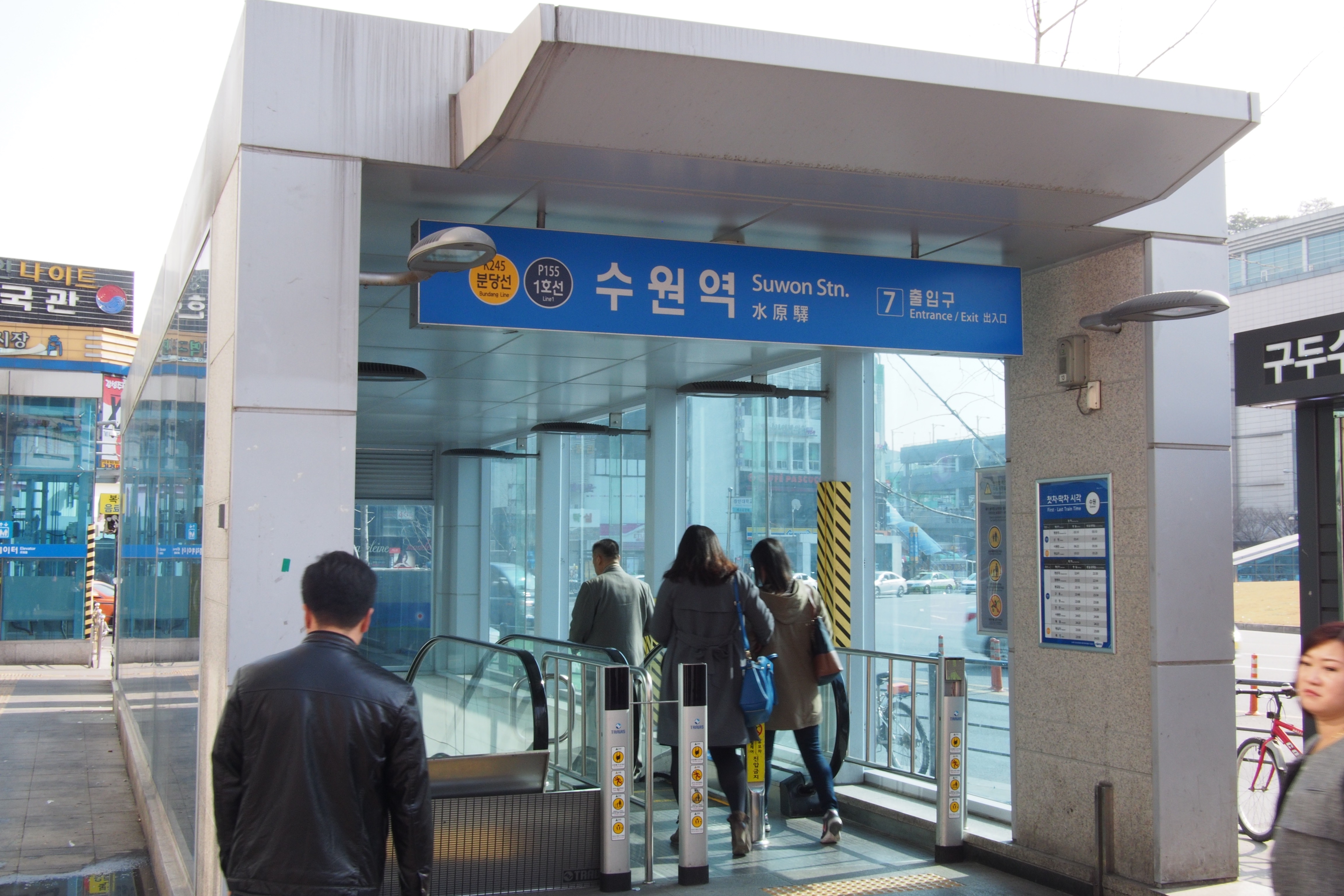
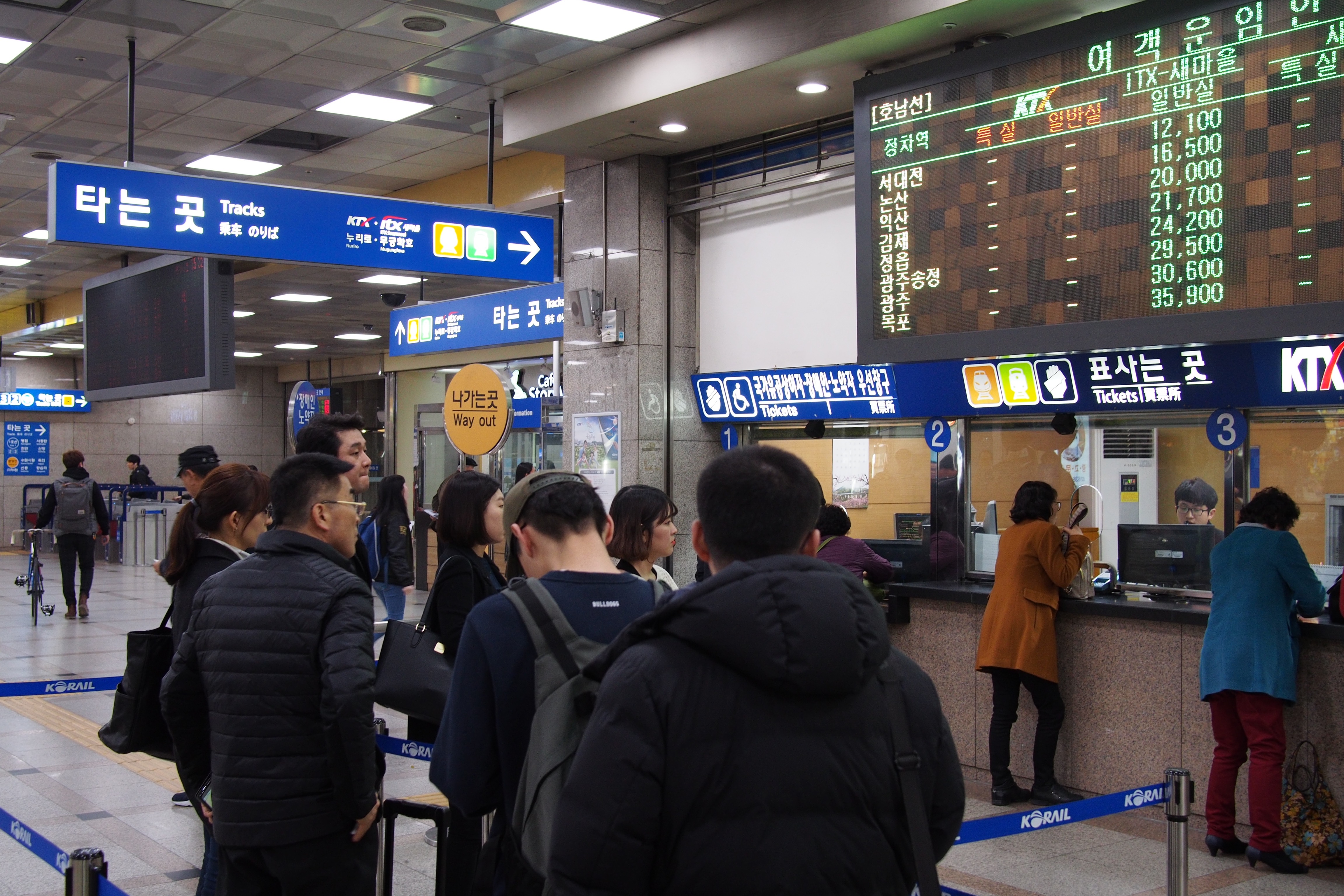
I could get there in 36 minutes by taking the KORAIL train for 2700KRW ($2.30USD).
Suwon Hwaseong Fortress
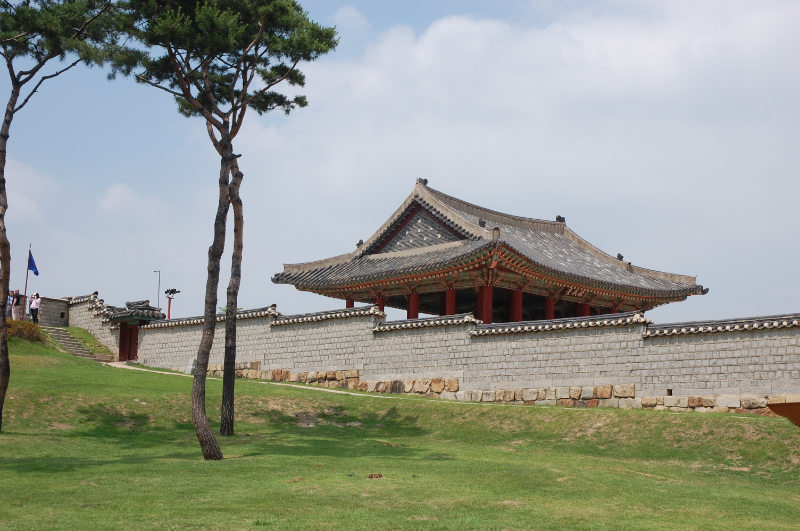
My quick search also revealed that Suwon has a UNESCO World Heritage site called Hwaseong Fortress. Where a temporary palace was erected by King Jeong-jo back in 1796.
For a while, during the Korean War, the North actually controlled Suwon until a fragile truce between the North and the South came into effect.
So Suwon is near Seoul. Has a medieval fortress with a wall surrounding a temporary palace for a King. I also discovered the city is famous for marinated Grilled Beef Ribs (Gal-Bi 갈비).
I was sold. Suwon here I come. I could almost smell the Gal-Bi sizzling on a hot plate!
Getting to Suwon From Seoul
The best way to travel to Suwon is by train. I don’t know if you can get there by bus. But it’s South Korea. I’m pretty sure there is a reliable bus route to Suwon from Seoul.
For me, trains are my best option. And three types of trains can take you there: slow, fast, and fastest.
- Subway Metro Line #1 is the cheapest option. And of course, the slowest. From Seoul Station, a fare costs 1300KRW, $1.25USD, and takes about an hour.
- KORAIL train from Seoul Station to Suwon costs nearly double the price of Subway Line #1, but gets you to Suwon in half the time. Cost 2700KRW ($2.30) and you get a reserved seat.
- KTX trains are the fastest. It’ll zip you from Seoul Station to Suwon Station in 25 minutes. But it costs 8400KRW ($7.15USD). You get a reserved seat too.
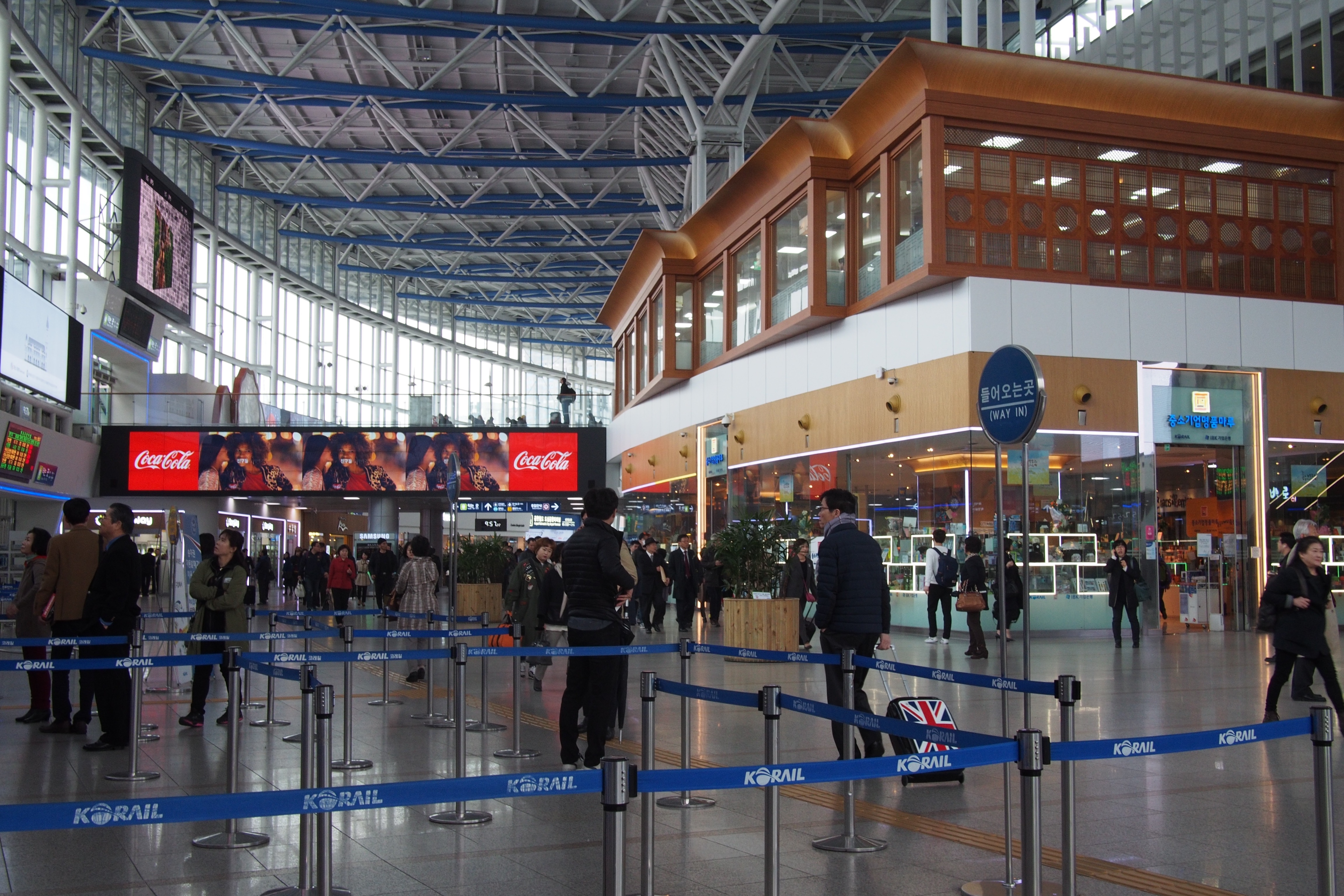
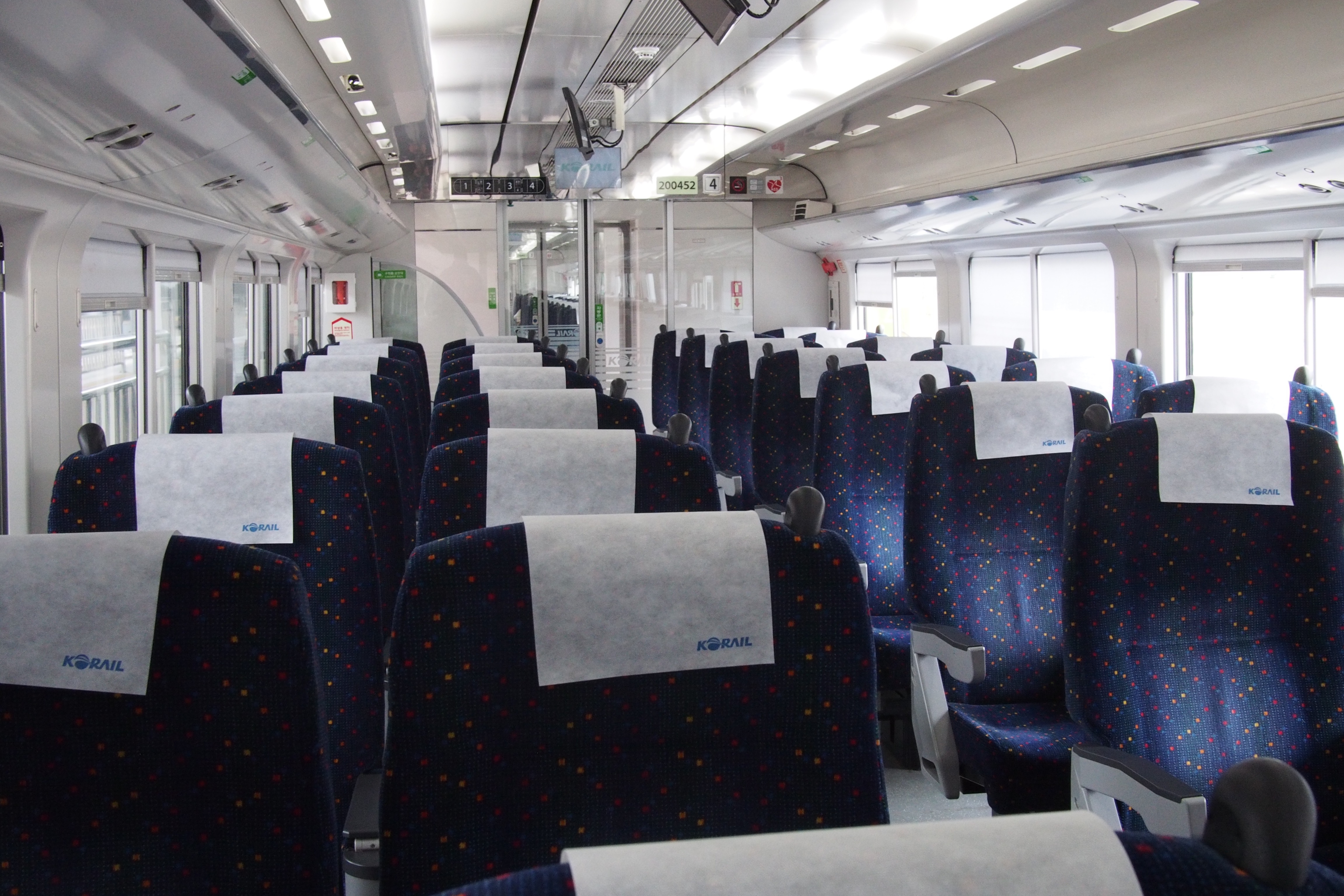
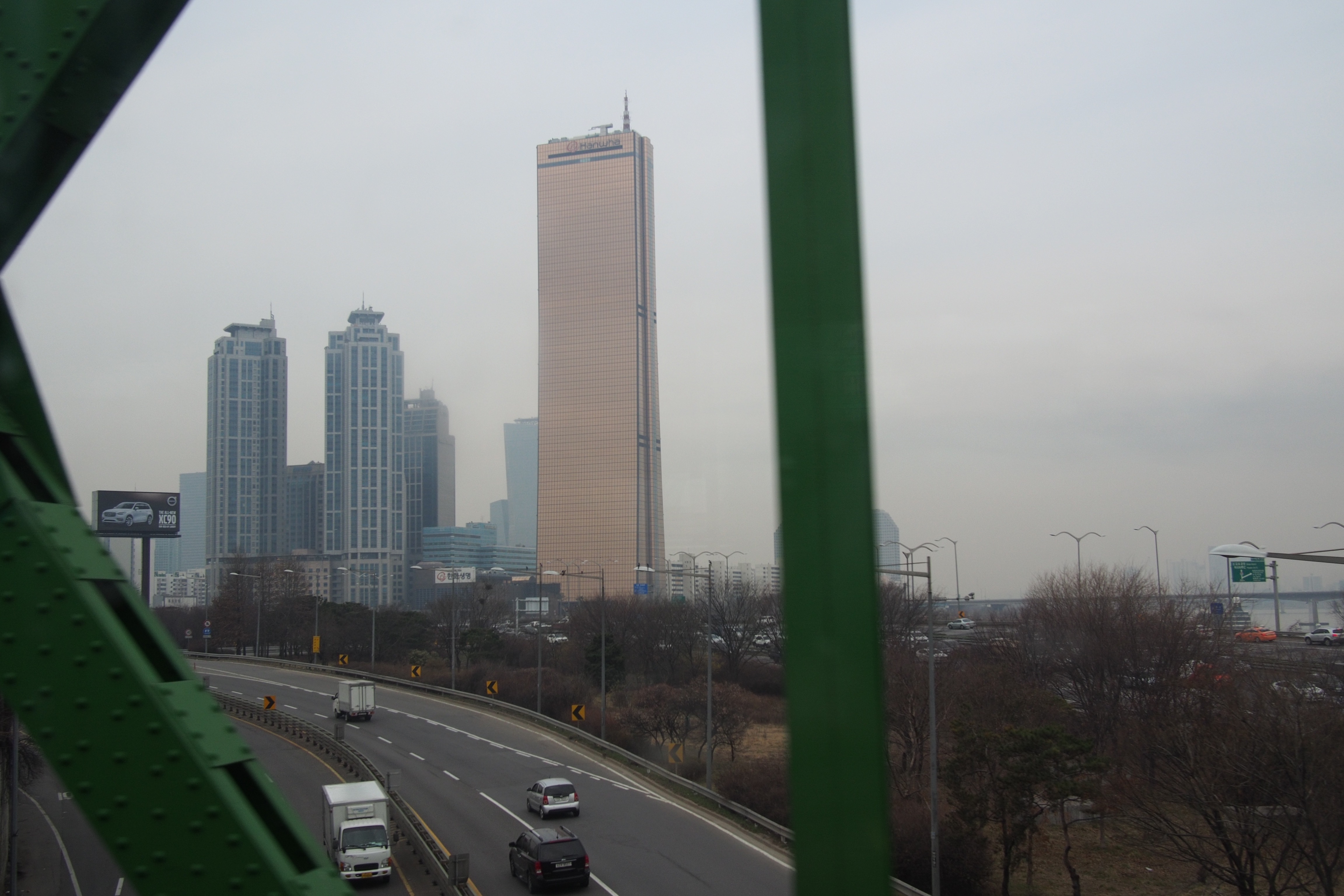
For me, it was a no-brainer that riding the KORAIL train was the best way to travel to Suwon for me. It only takes 36 minutes from Seoul Station to Suwon Station for a paltry $2.30USD (2700KRW).
It’s a direct train with no stops. It gets me there quickly. Not that I was in a hurry. But the train fare was affordable, and I got an assigned seat.
And remember, these trains arrive on schedule. And they depart on the dot. So get to your train platform with time to spare.
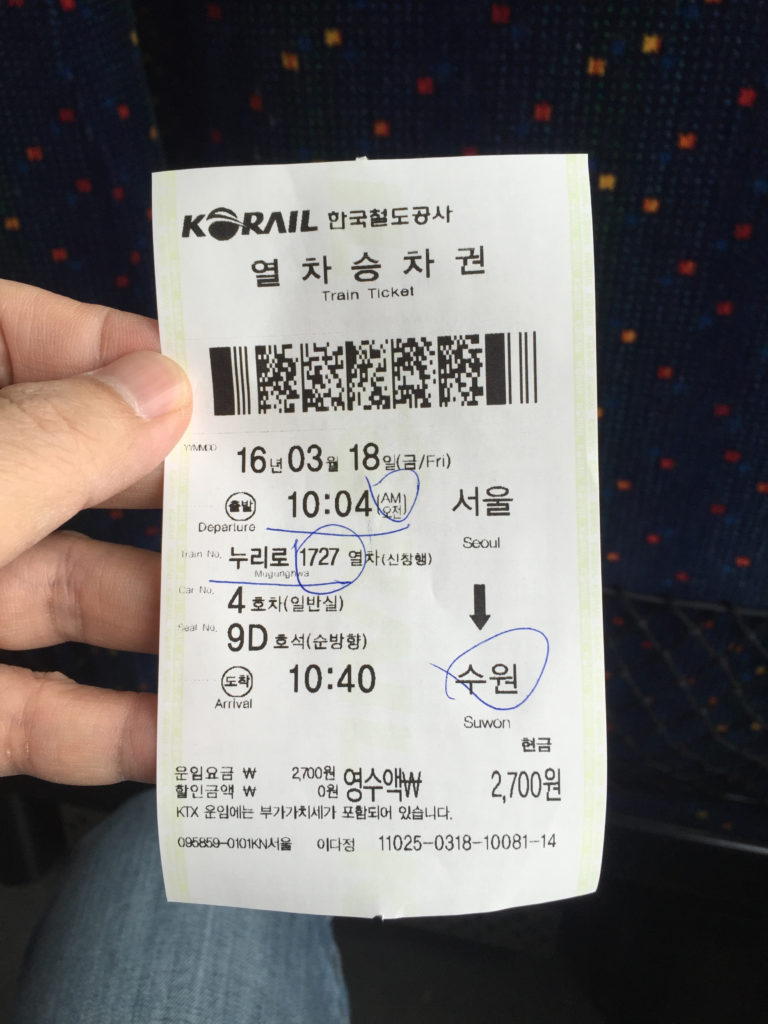
The third train, which is the most expensive but fastest, is the KTX. This will take you over to Suwon non-stop from the Seoul train station in 25 minutes. And continue to Busan. It cost 8400KRW and I took this train by mistake back to Seoul.
While I bought a return ticket to Seoul Station from Suwon Station. I knew something wasn’t right because I paid 2700KRW to get to Suwon.
It wasn’t until I checked both tickets. I then realized I didn’t have a KORAIL ticket, but a KTX ticket instead.
I know. I’m such an idiot. Either way, I learned something new! In any case, I’ll just get back to Seoul quicker!
First Impressions of Suwon
When I arrived at Suwon Station, I was all excited to check out Hwaseong Fortress. But I had to make a quick stop at the nearby Suwon Tourist Information Center.
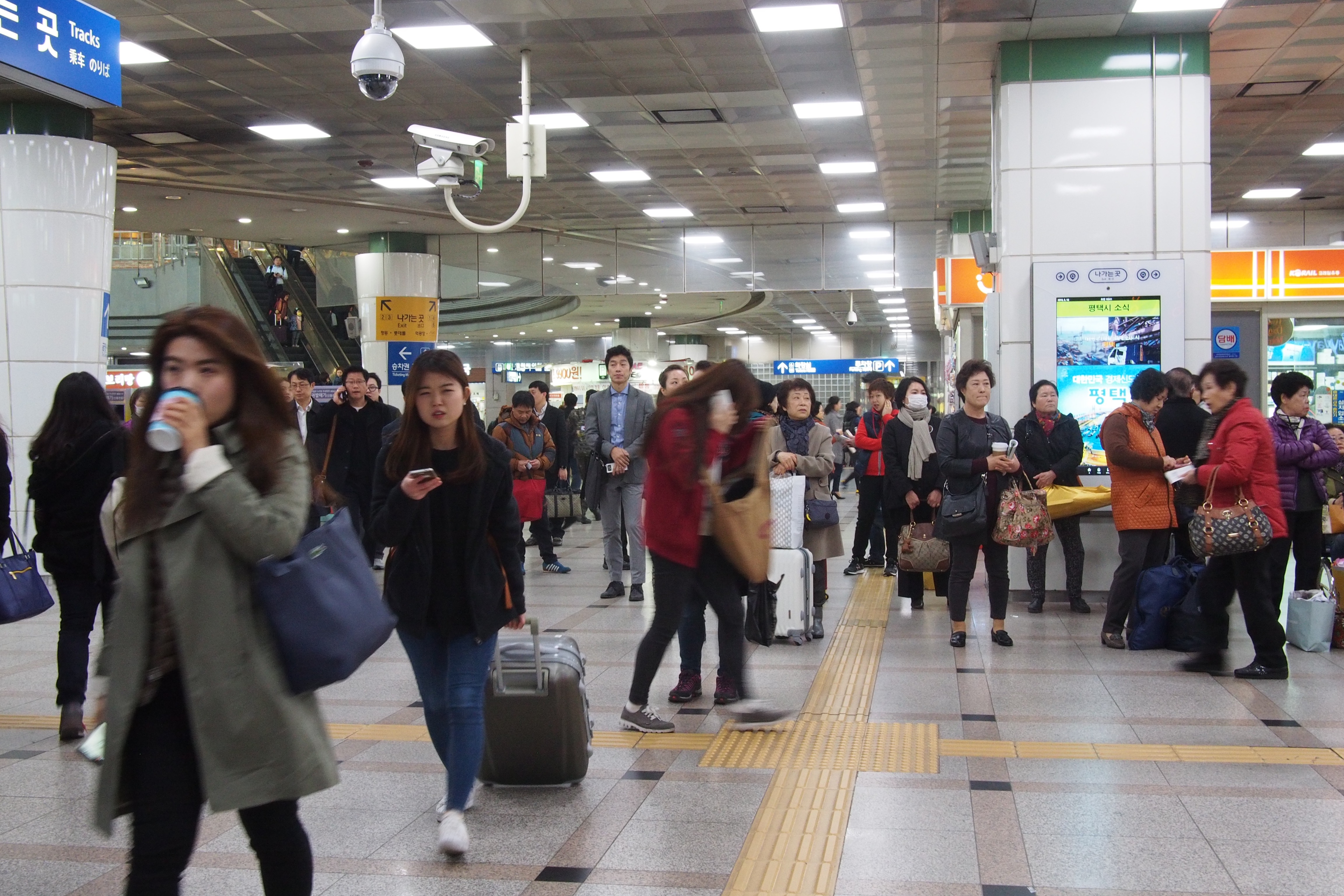
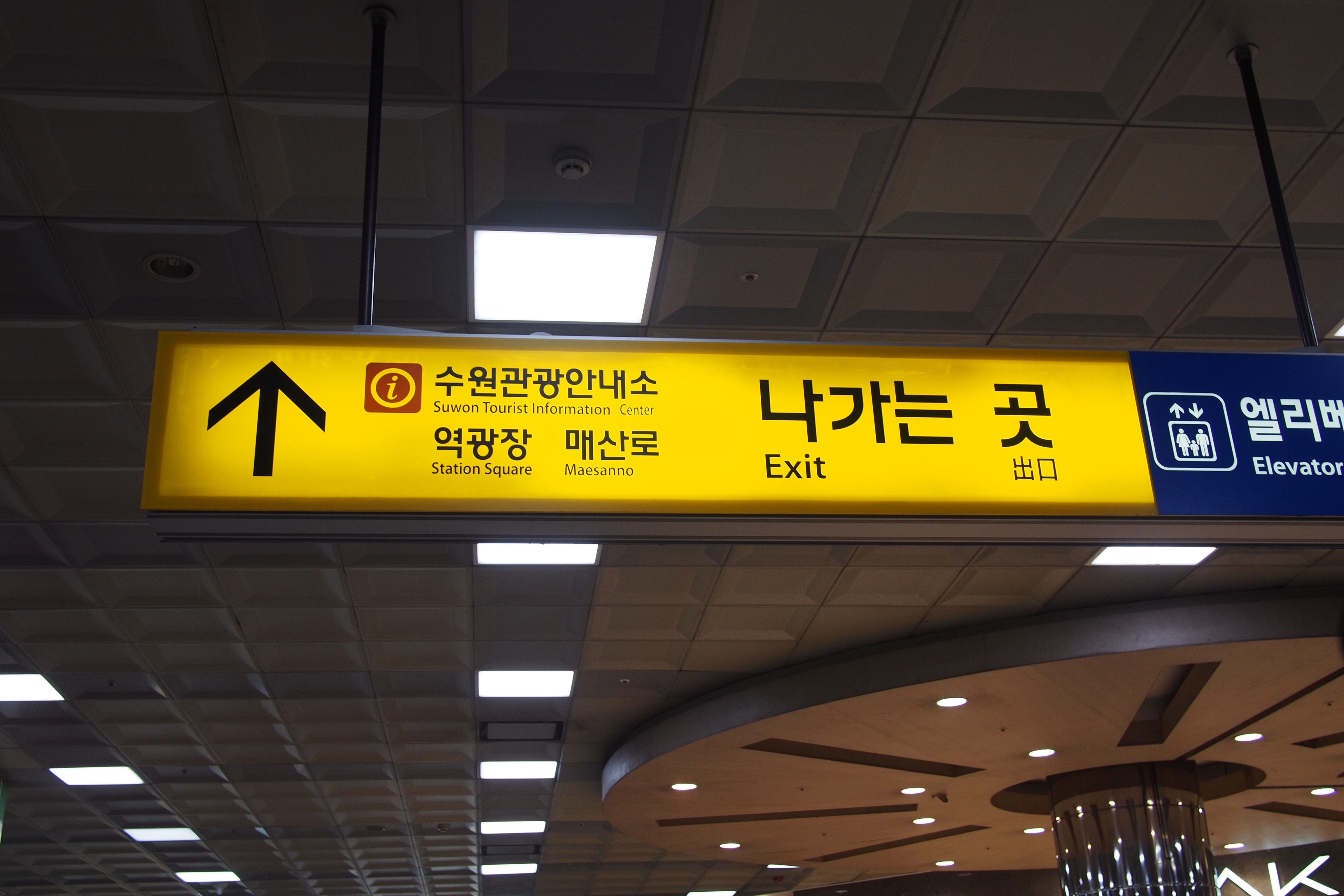
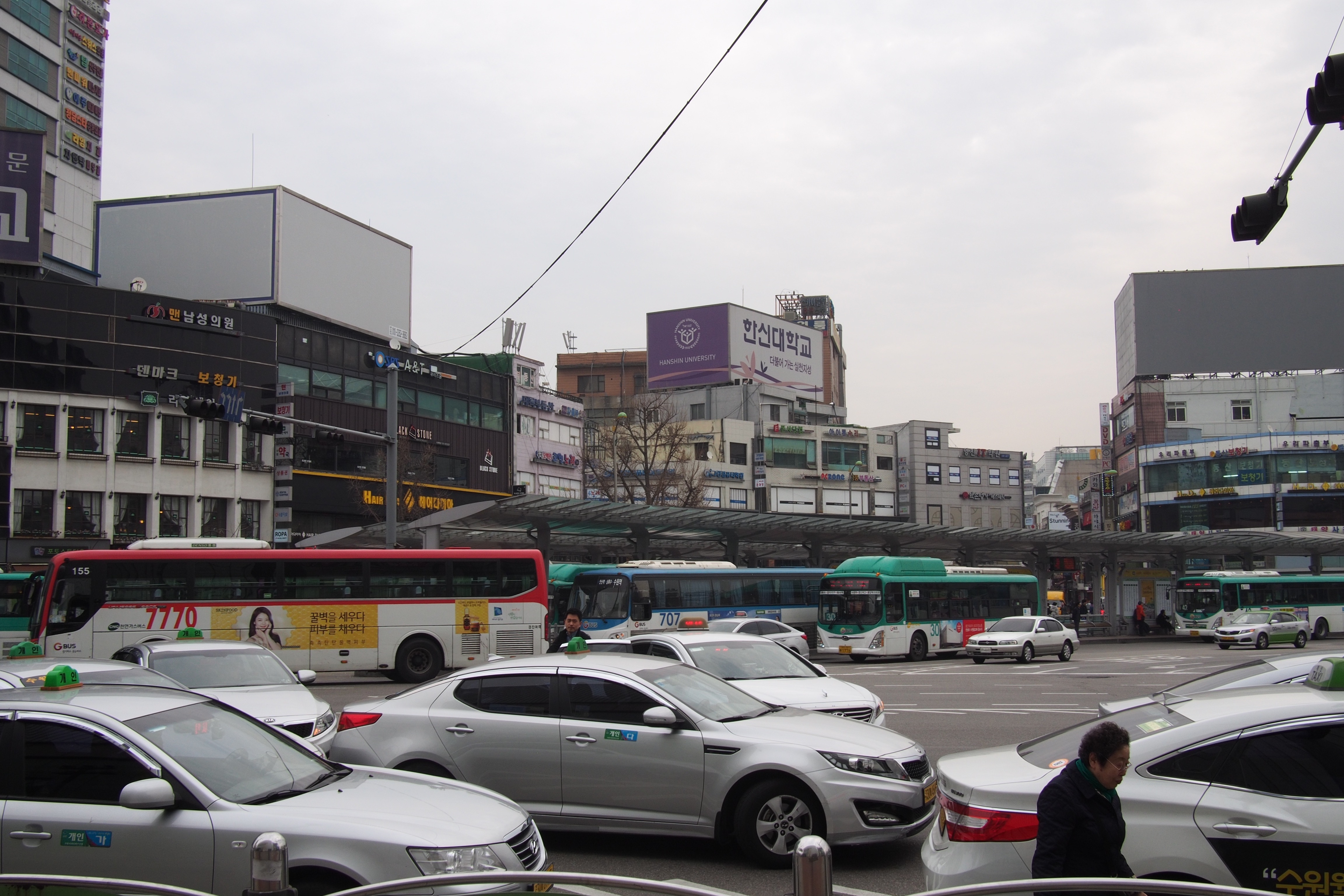
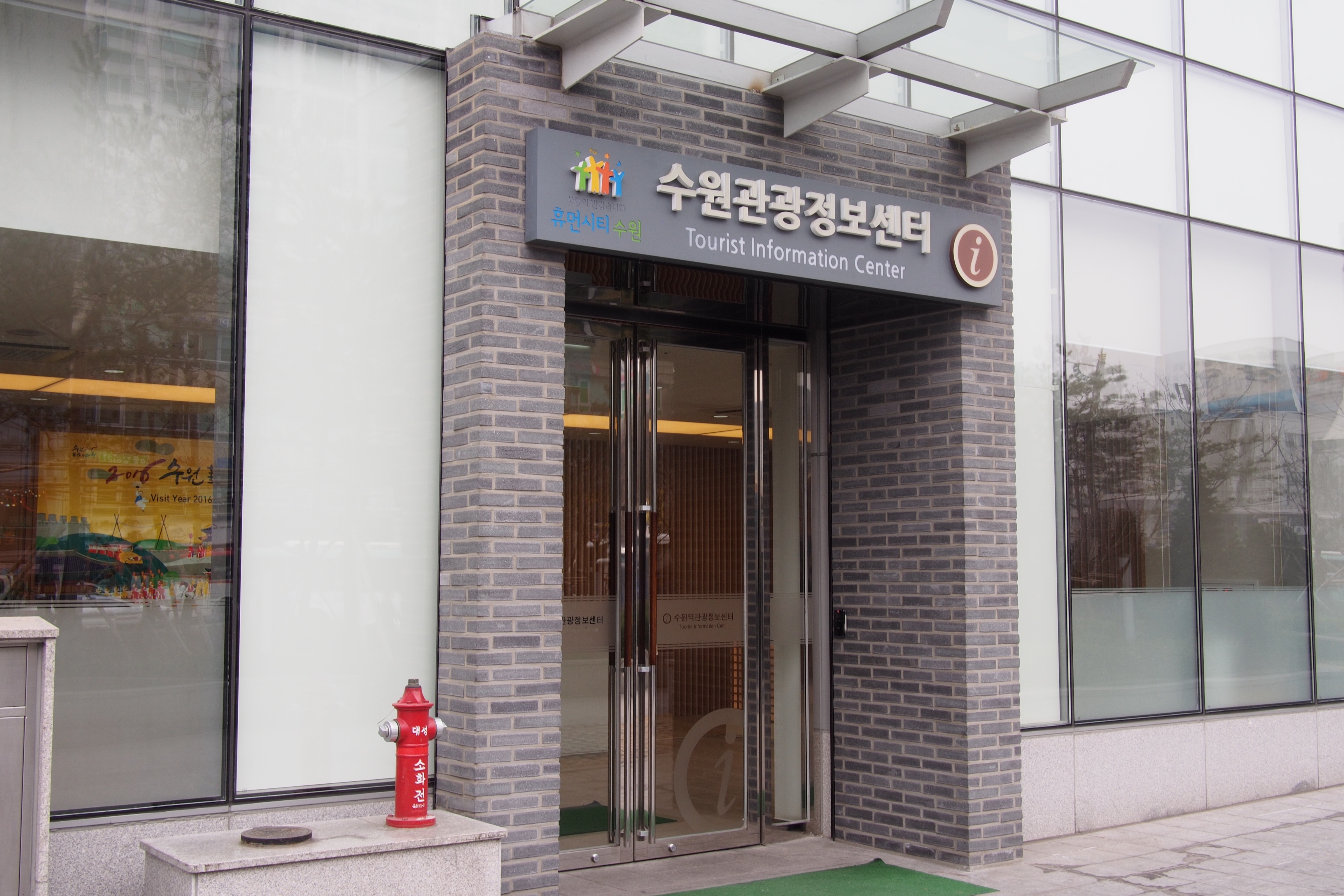
The first thing to do is head to the nearby Tourist Information Center. Grab an updated map of Suwon. And perhaps ask a couple of questions. I definitely wanted to find Suwon Hwaseong Fortress first.
I found the visitor information center easily. It was less than a 3-minute walk from Suwon Station; just follow the sign markers.
Inside, a friendly English-speaking staff member instructed me to take a bus to the Paldamun Gate bus stop. It is located on the south end of Suwon Hwaseong Fortress.
Bus to Paldamun Gate from Suwon Station
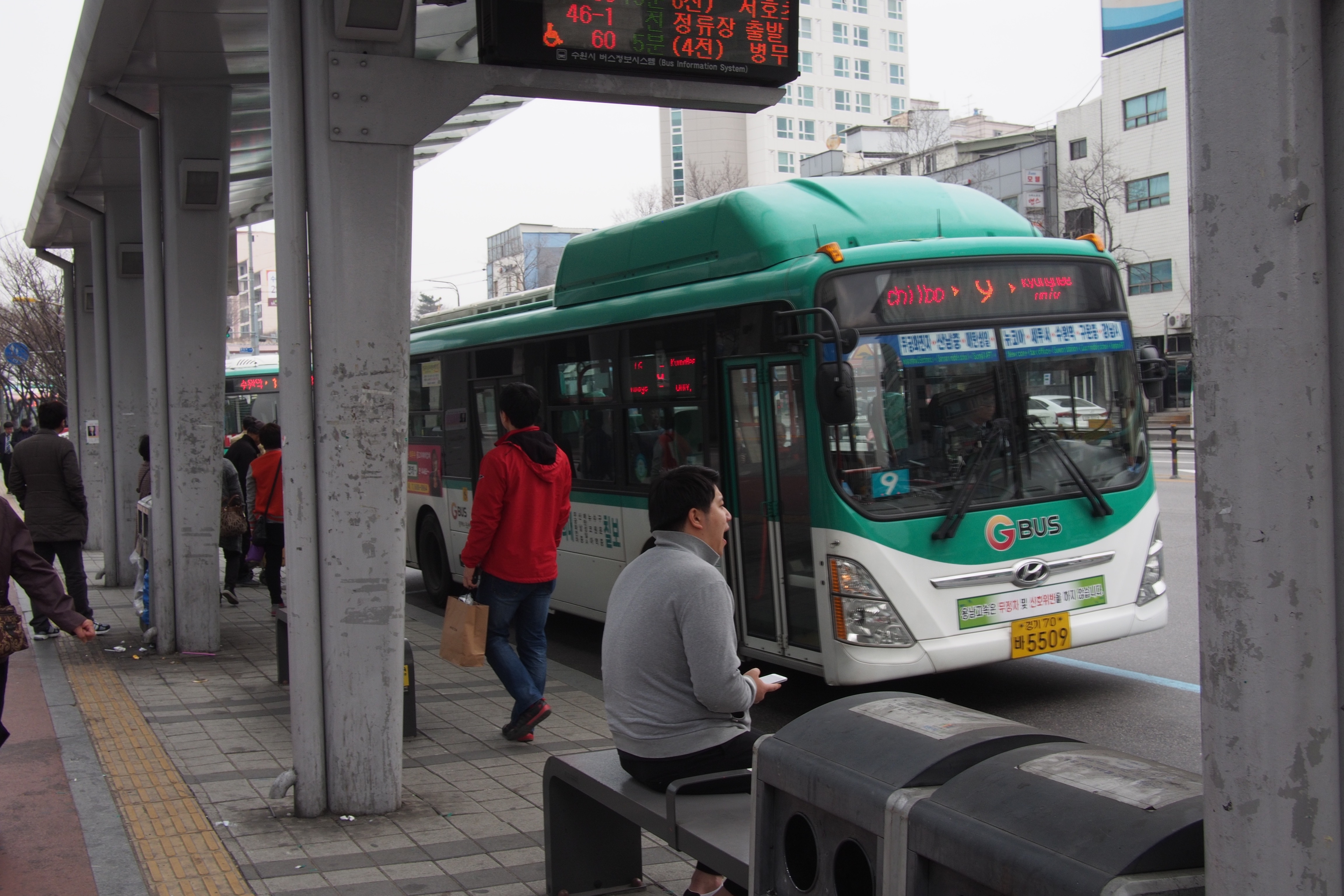
- Get on the intra-city bus numbers: 11, 13, 36, or 39
The bus stop is located literally outside the tourist info center, so you can’t miss it. The bus fare costs 1300KRW ($1.10USD) and takes about 10 to 15 minutes to reach Paldamun Gate.
Bus numbers are clearly marked on the bus’s digital display on the front and side of the bus.
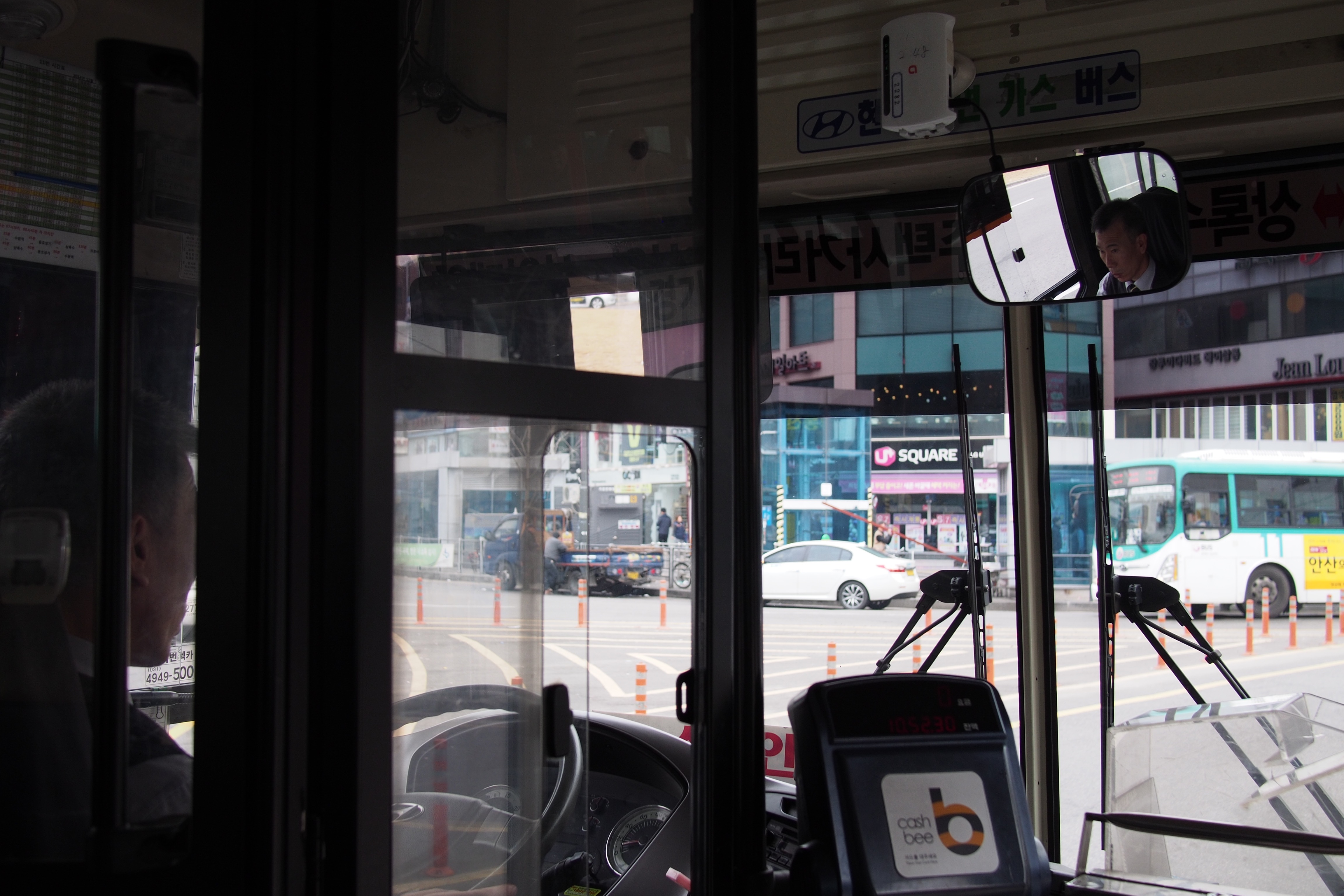
I sat on a seat in front of the bus and had a good view of the road and streets ahead. The ride from Suwon Station to Paldamun Gate was enjoyable. The city definitely had a different vibe compared to Seoul.
There weren’t any tall buildings or skyscrapers in sight. Suwon turns out to be quite a nice, charming city. And surprisingly much bigger than I initially thought.
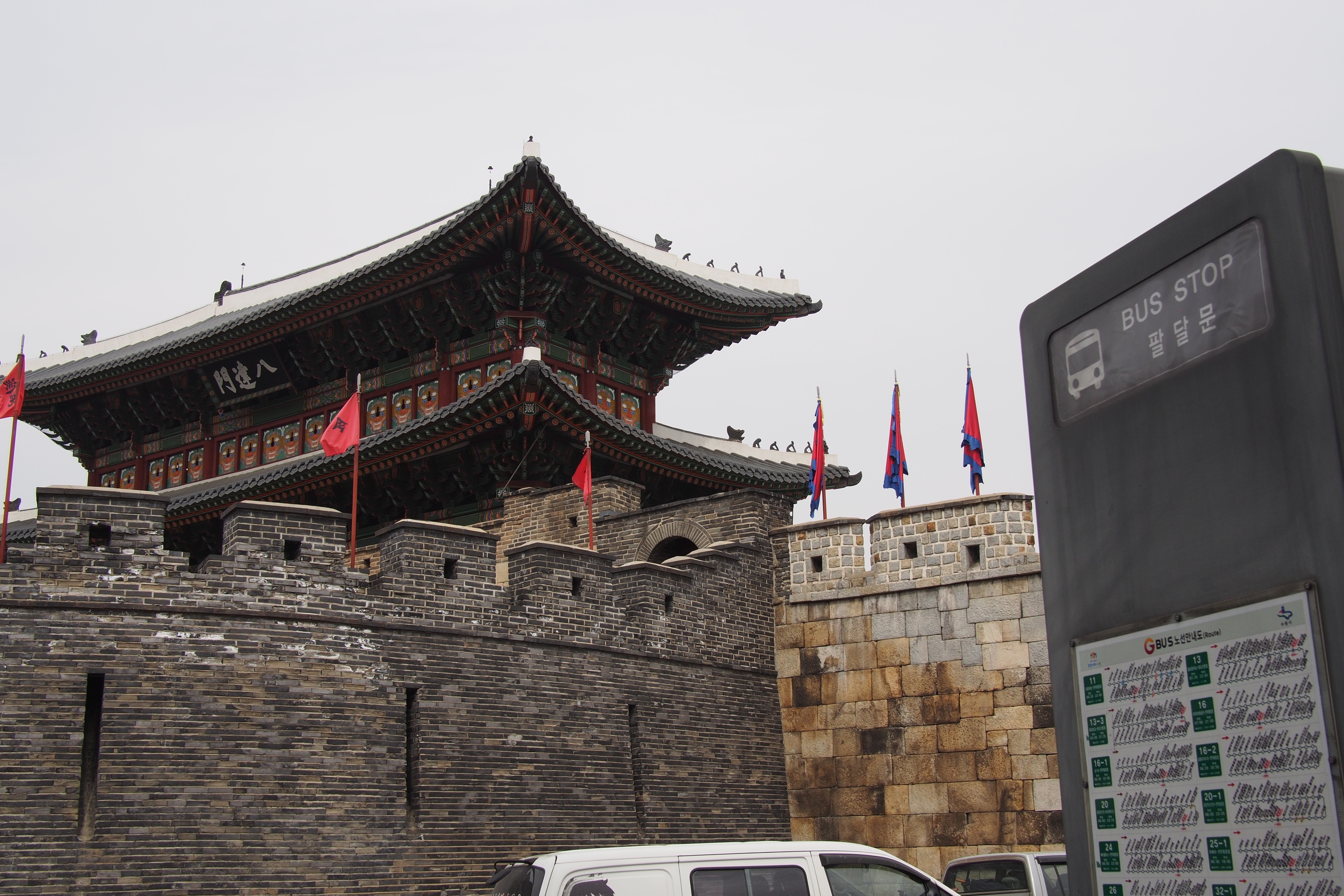
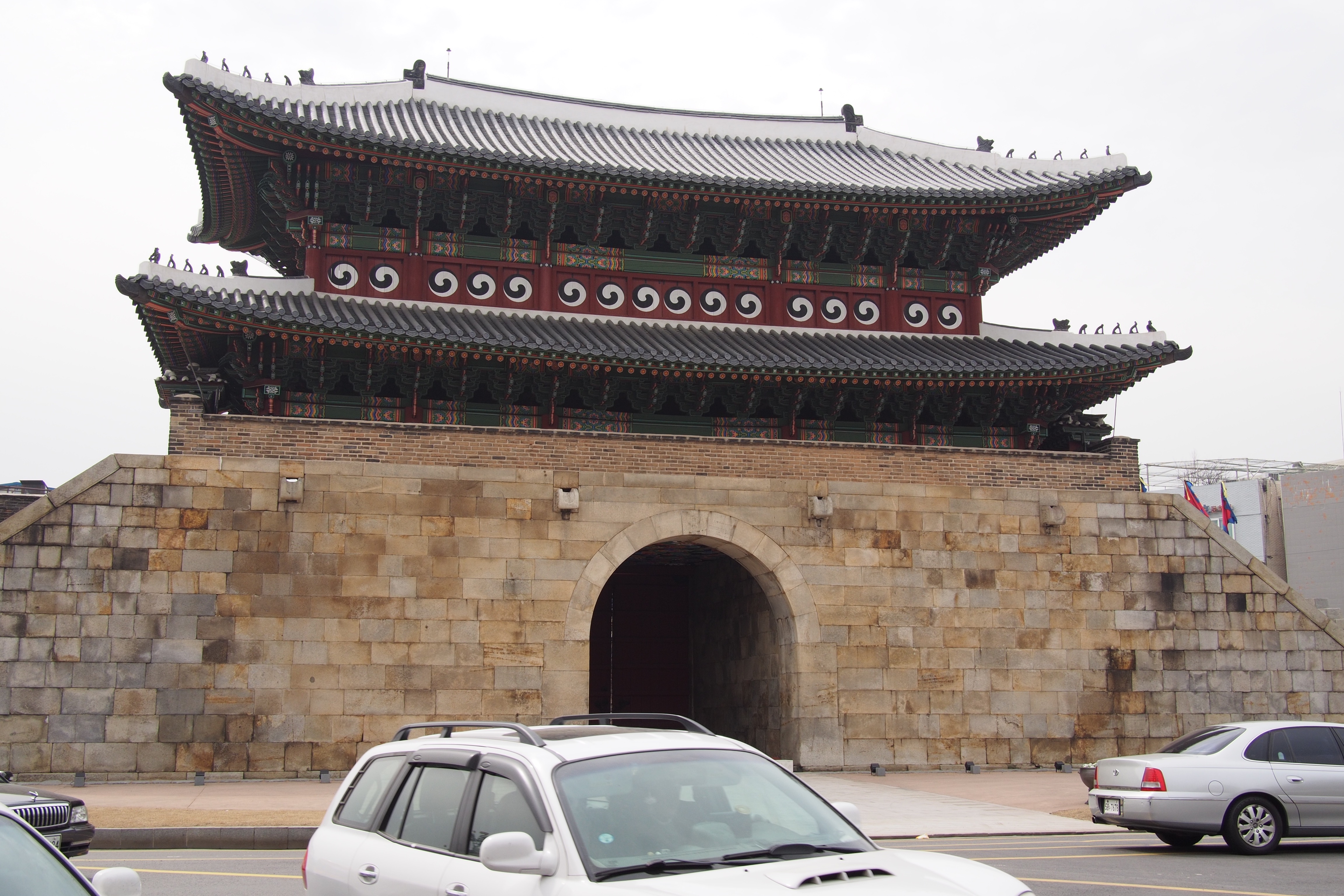
About 15 minutes later, I saw Paldamun Gate up ahead and got ready to get off. I don’t remember exactly.
But I think there was an English-language automated voice message on the bus announcing each stop.
Once you see Paldamun Gate, you’ll know it’s time to hop off.
Exploring Suwon on Foot
As always, it’s hard to get the lay of the land the first time, even with a map on hand. I just wandered a little bit around Paldamun Gate to get my bearings.
From there, I saw where most people were headed. Which is east of Paldamun Gate.
Wayfaring Soul Tip #312: Doesn’t hurt to follow a group of locals.
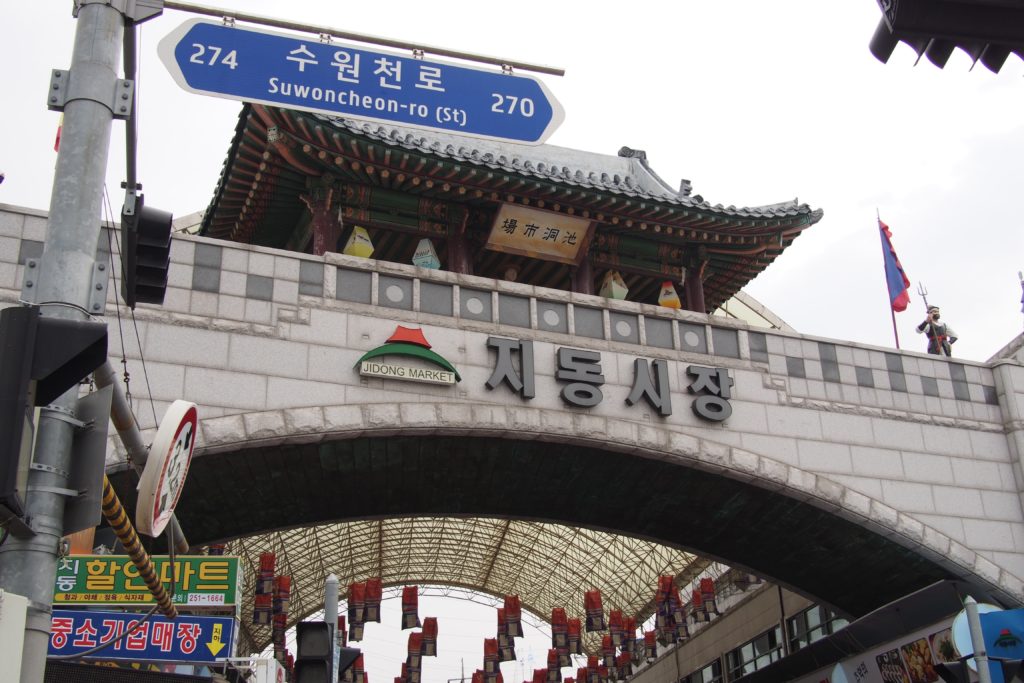
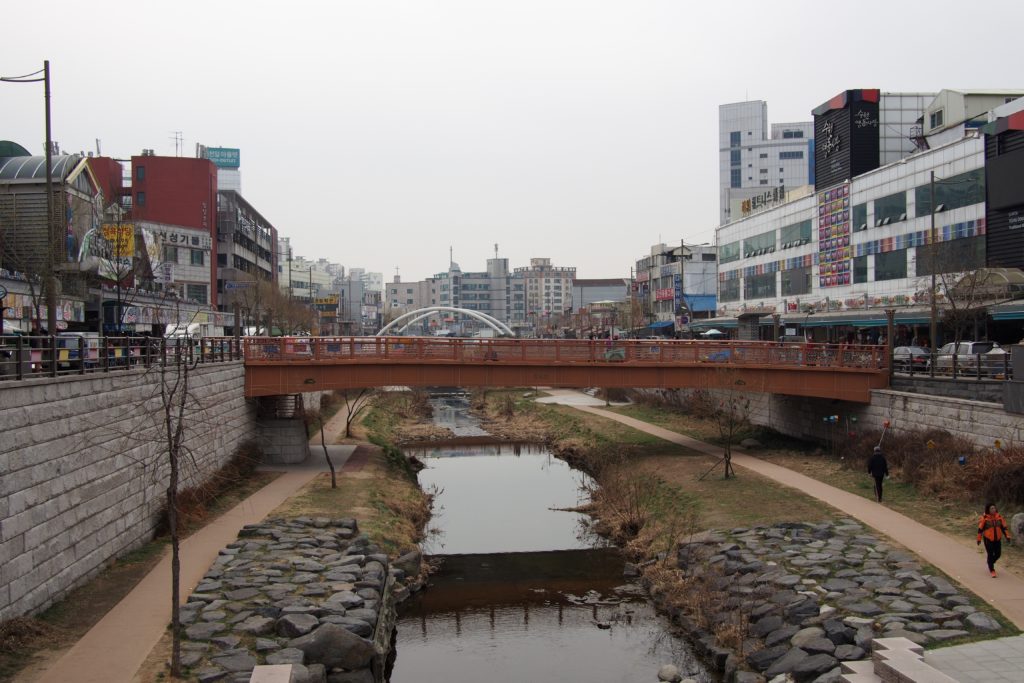
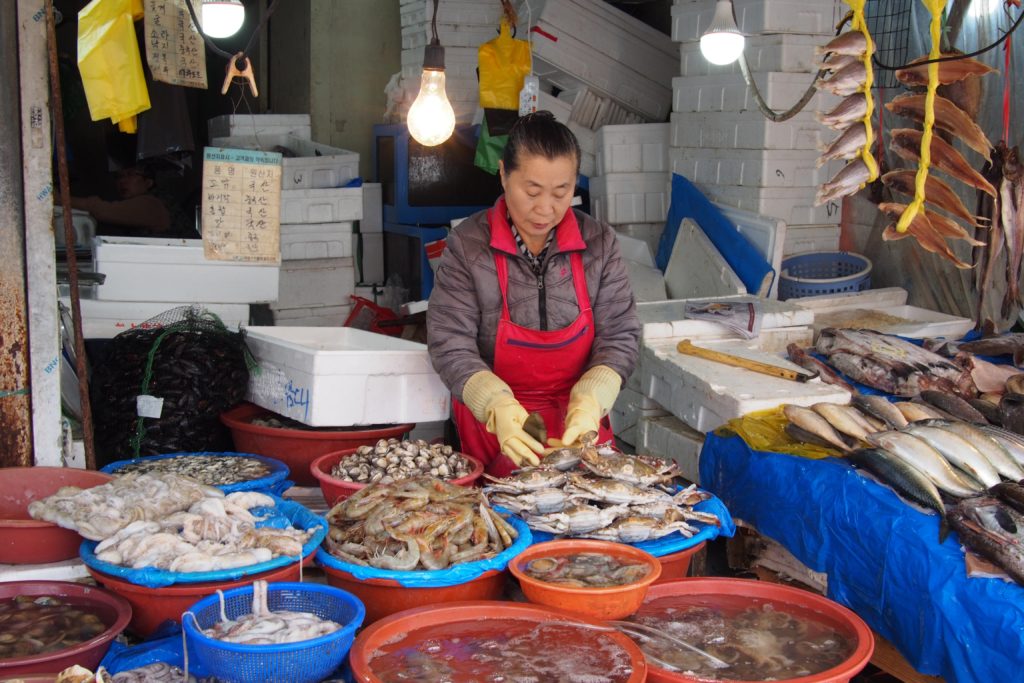
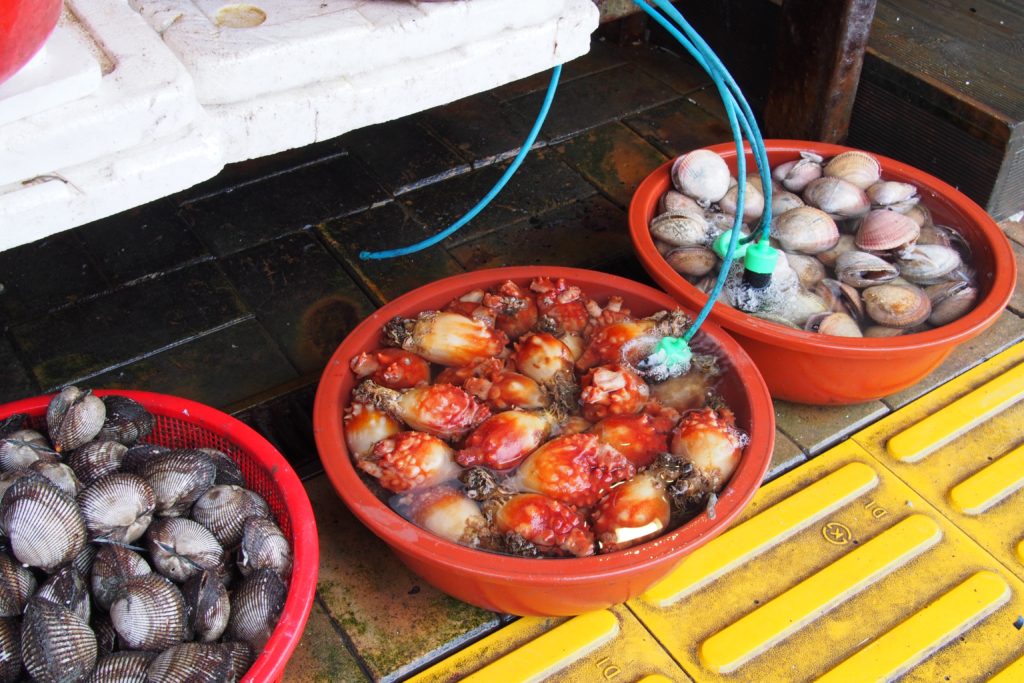
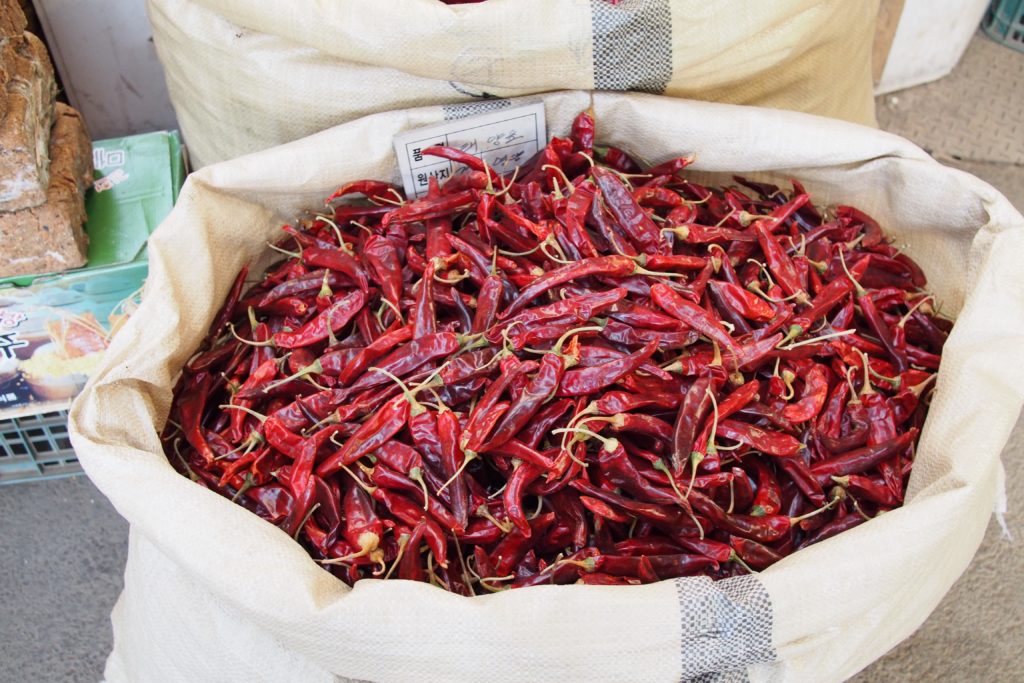
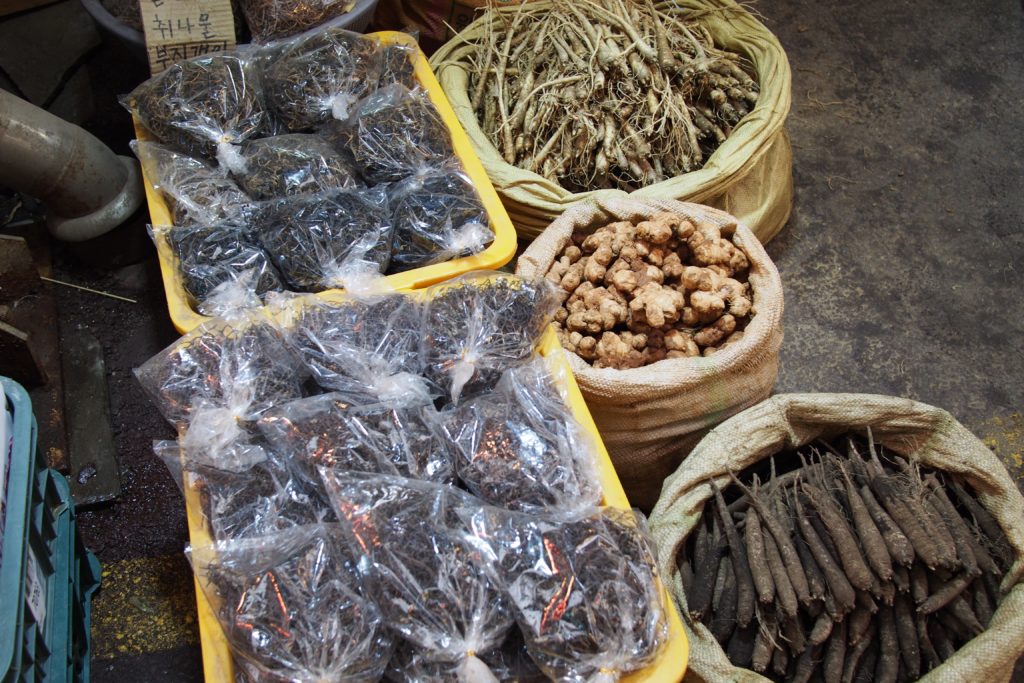
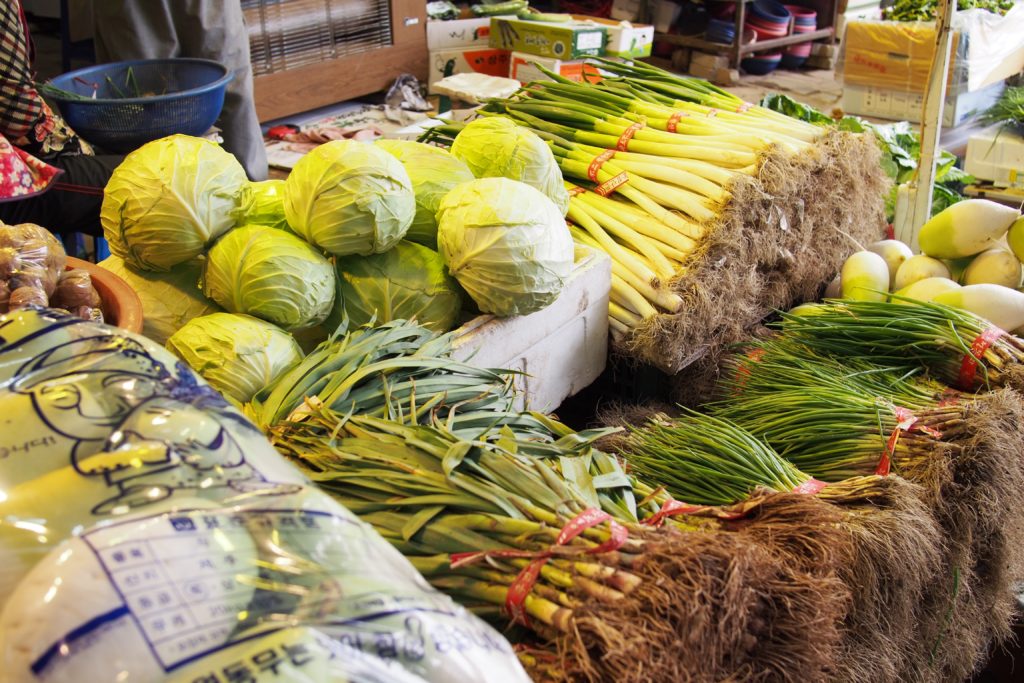
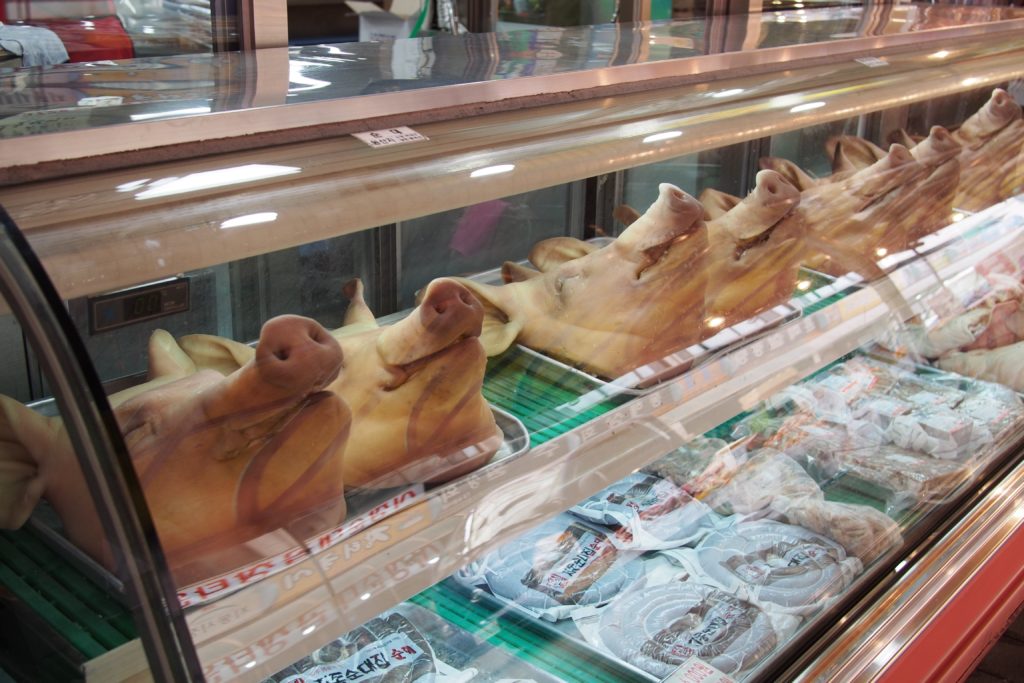
I basically went on my good ol’ instincts. So far it’s never failed me, and I found a section of town well known for its farmers’ market called Yeongdong Market (수원 영동시장) and Jidong Market (지동시장).
After walking around both markets briefly, it was a good time to whip out the map I picked up from the tourist center.
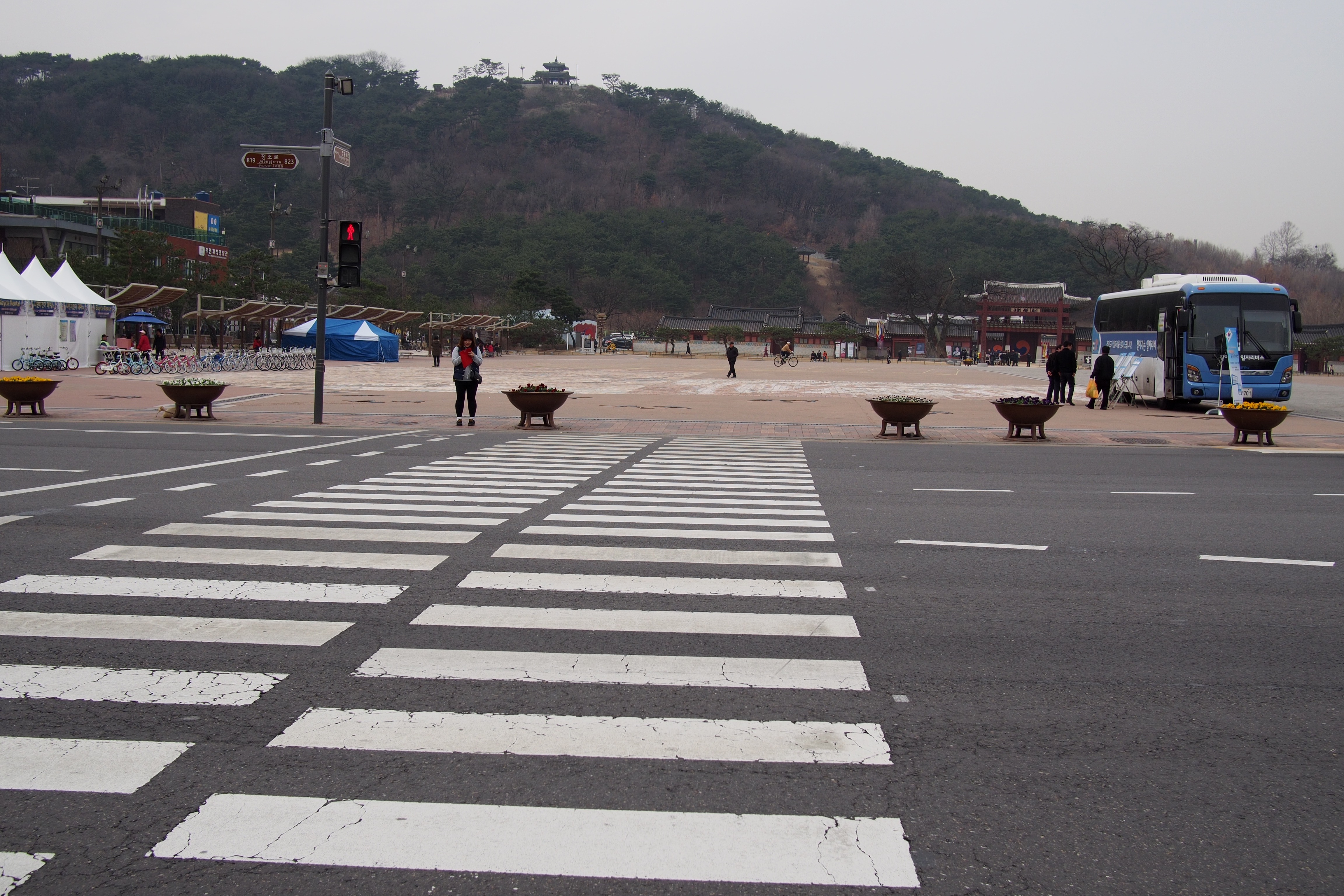
And take a good look at where to go next. It was interesting to see that right in the middle of Hwaswong Fortress is a town.
Surrounding the town are walls and a small mountain called Paldalsan. Suwoncheon Stream runs right through the center of the fortified town center.
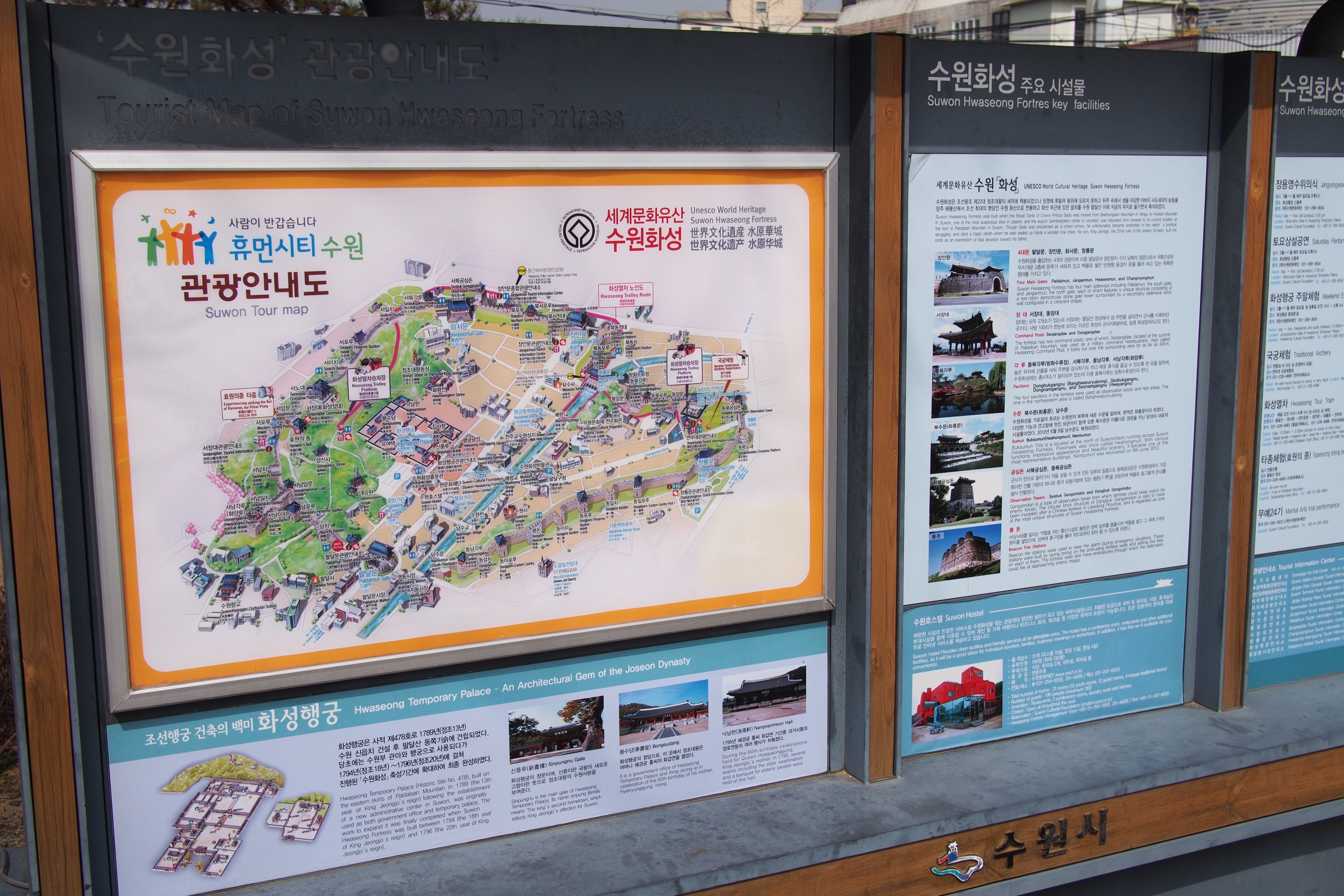
I couldn’t make up my mind which way to go, so I just decided to follow up a trail on the east side of the wall.
There is a slope and a long drop along the eastern and western walls. Which makes sense from a strategic standpoint.
I could just imagine an invading medieval army having a very hard time trying to conquer the Hwaseong Fortress.
There is a town center with residential apartments and houses. And many small businesses, too.
Hwaseong Temporary Palace is located just on the northwest corner of the fortress. But first, I wanted to walk around the town and get a good idea of the area by starting with a walk along the fortress wall.
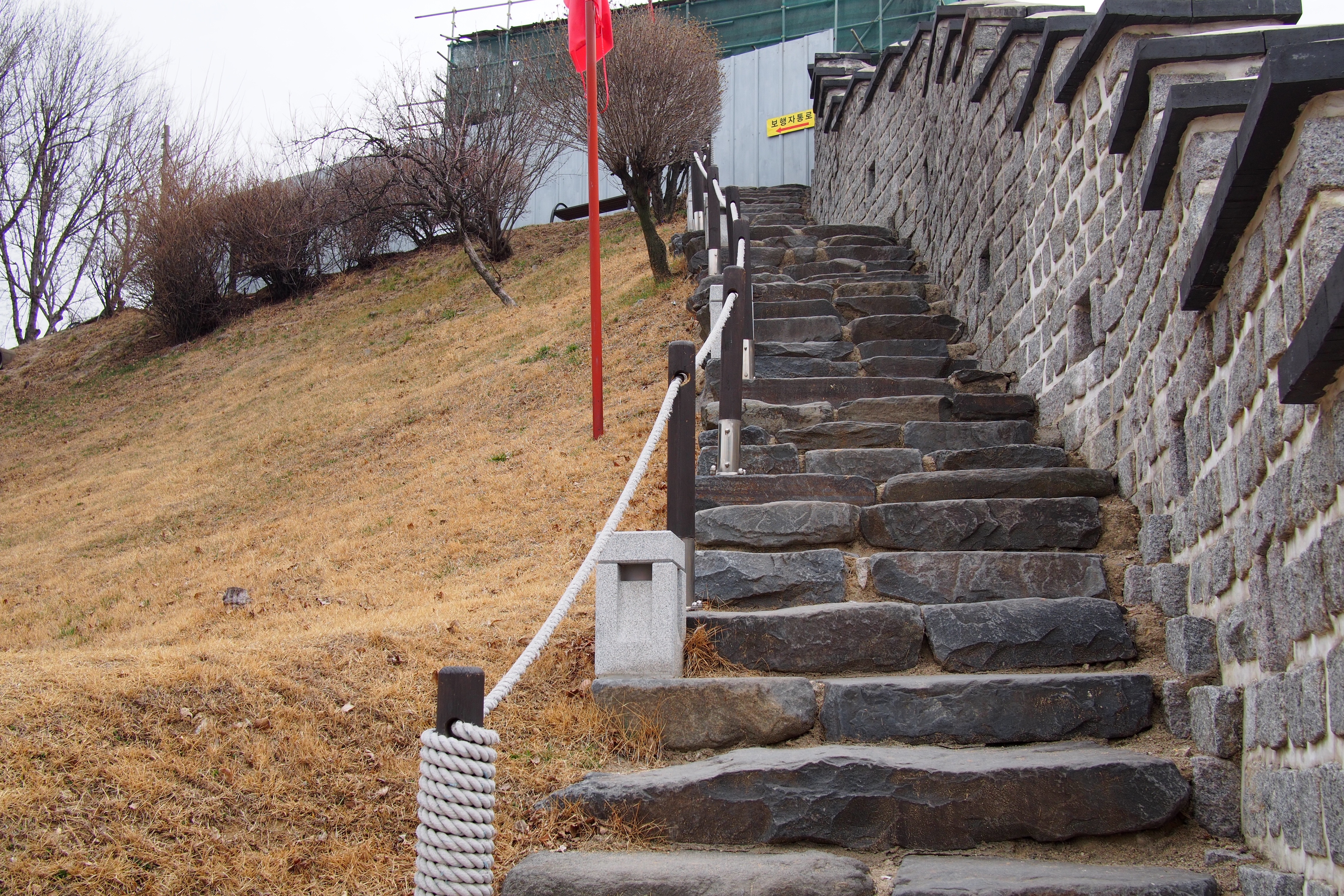
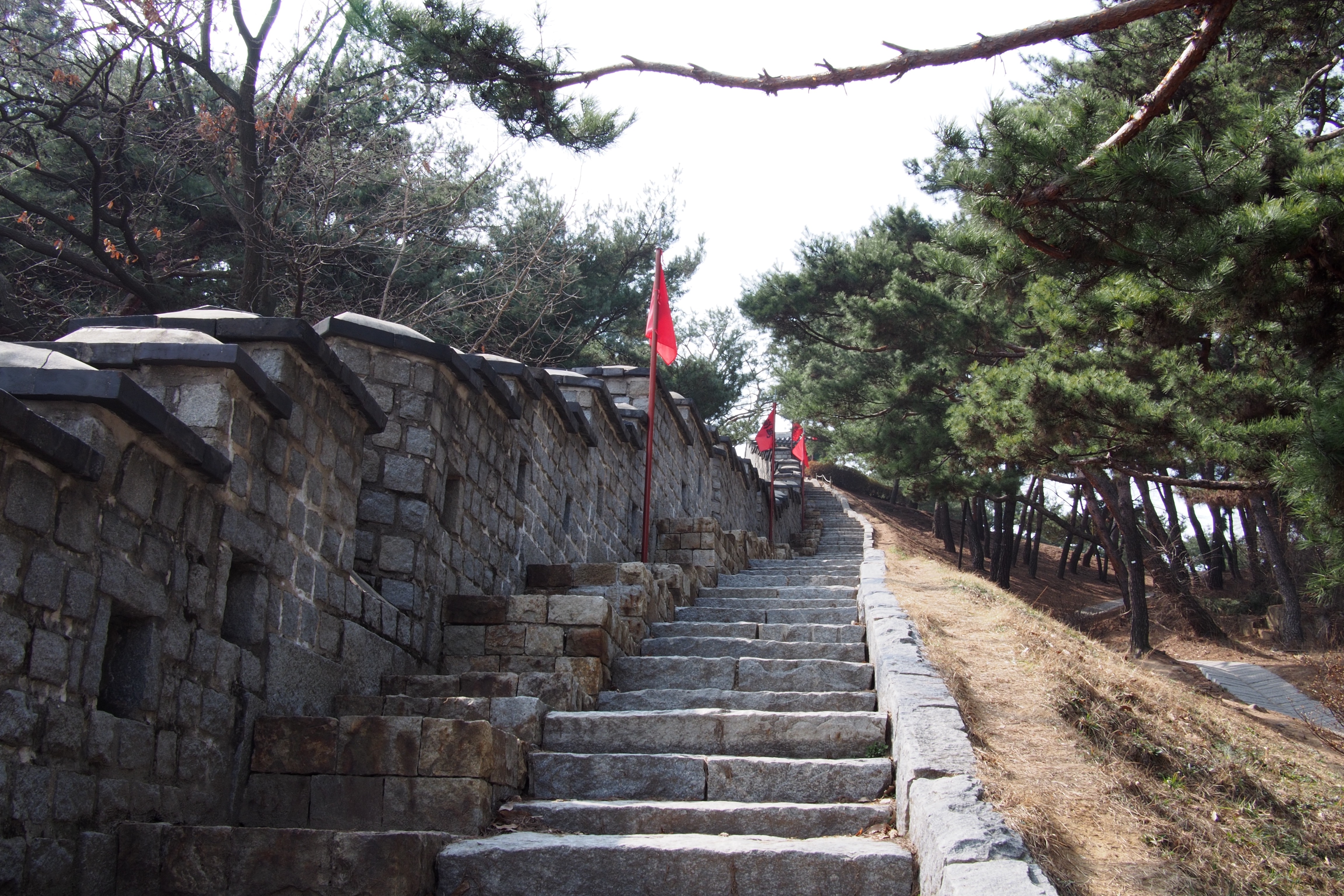
Luckily, the stone stairs made the walk up a little easier.
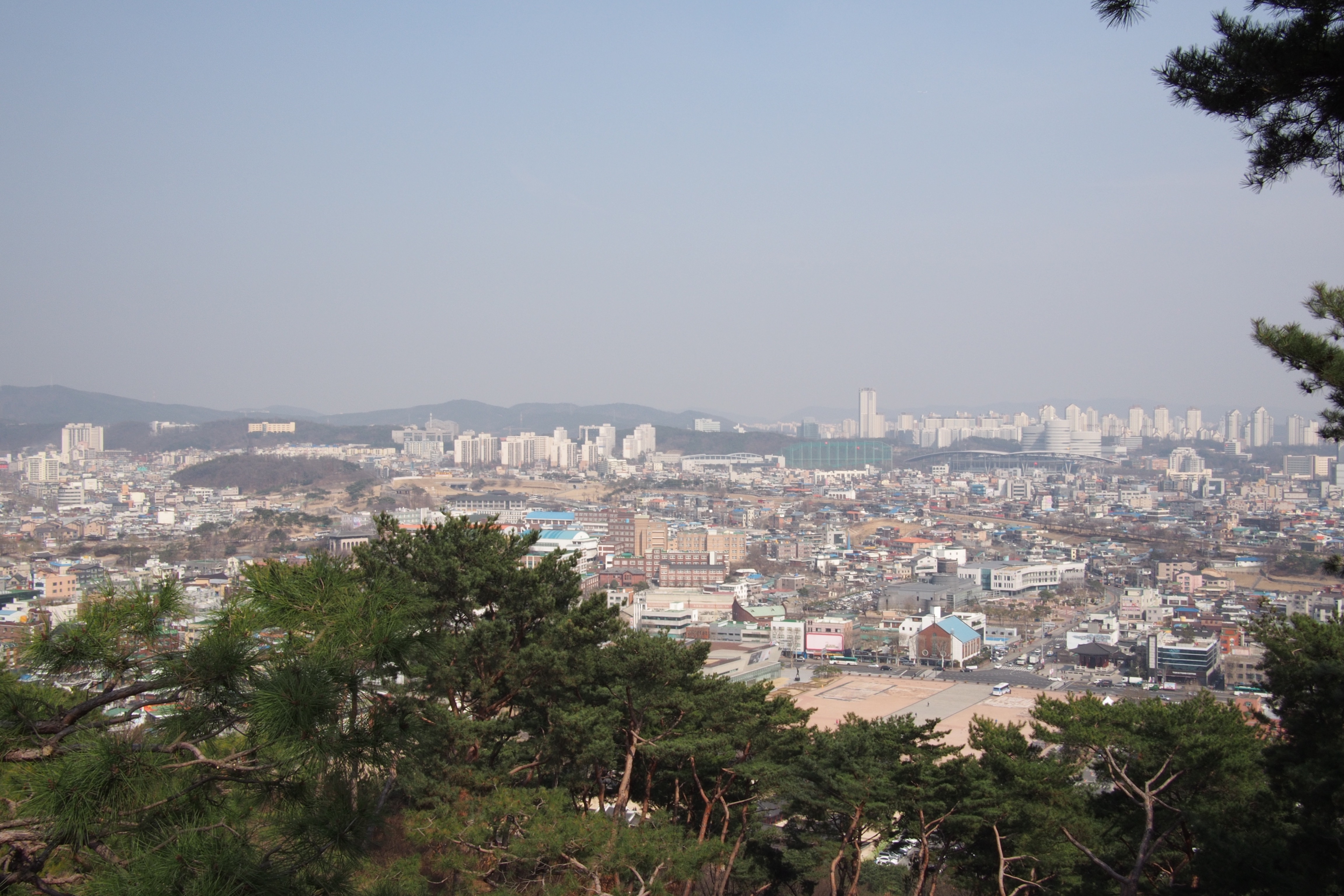
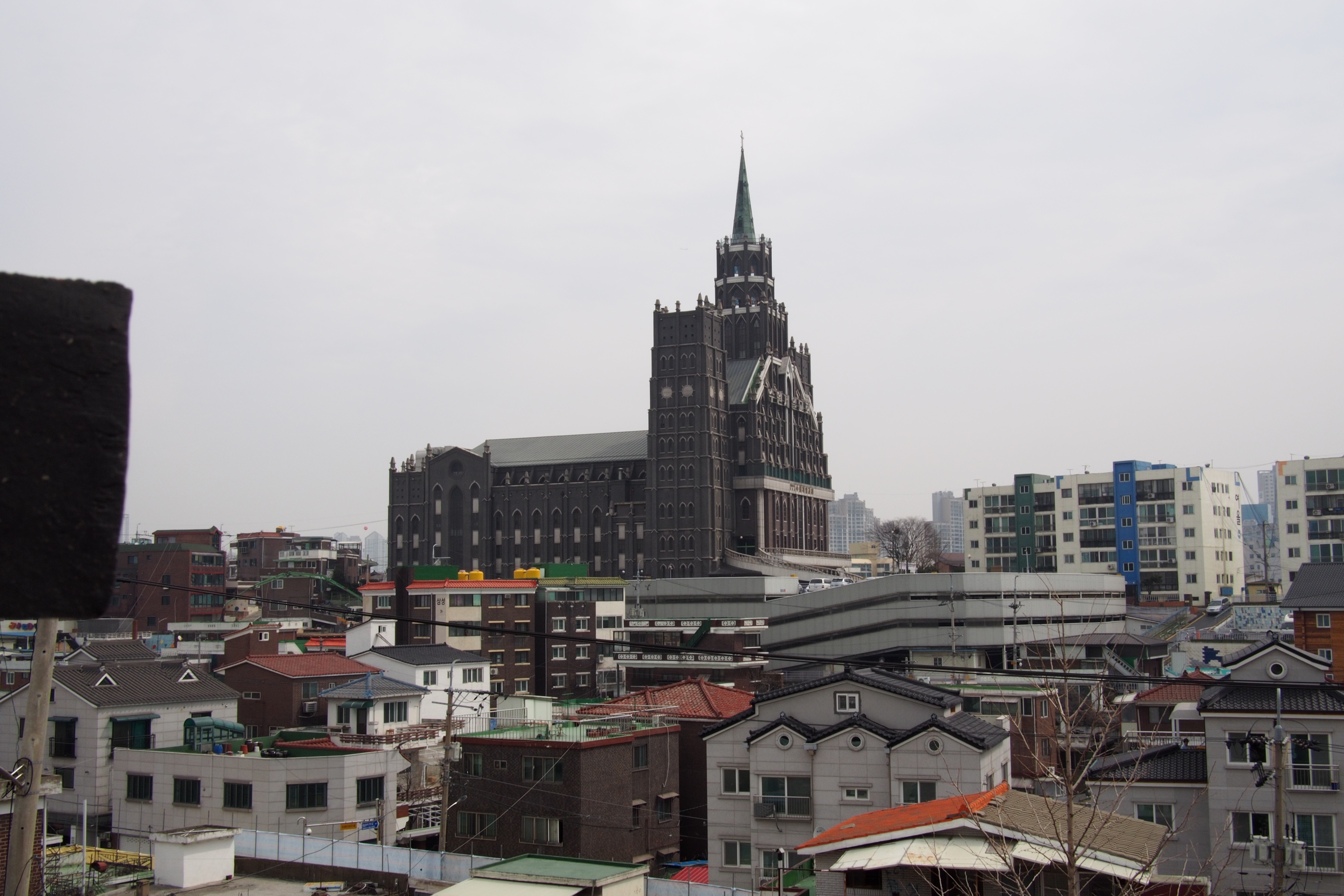
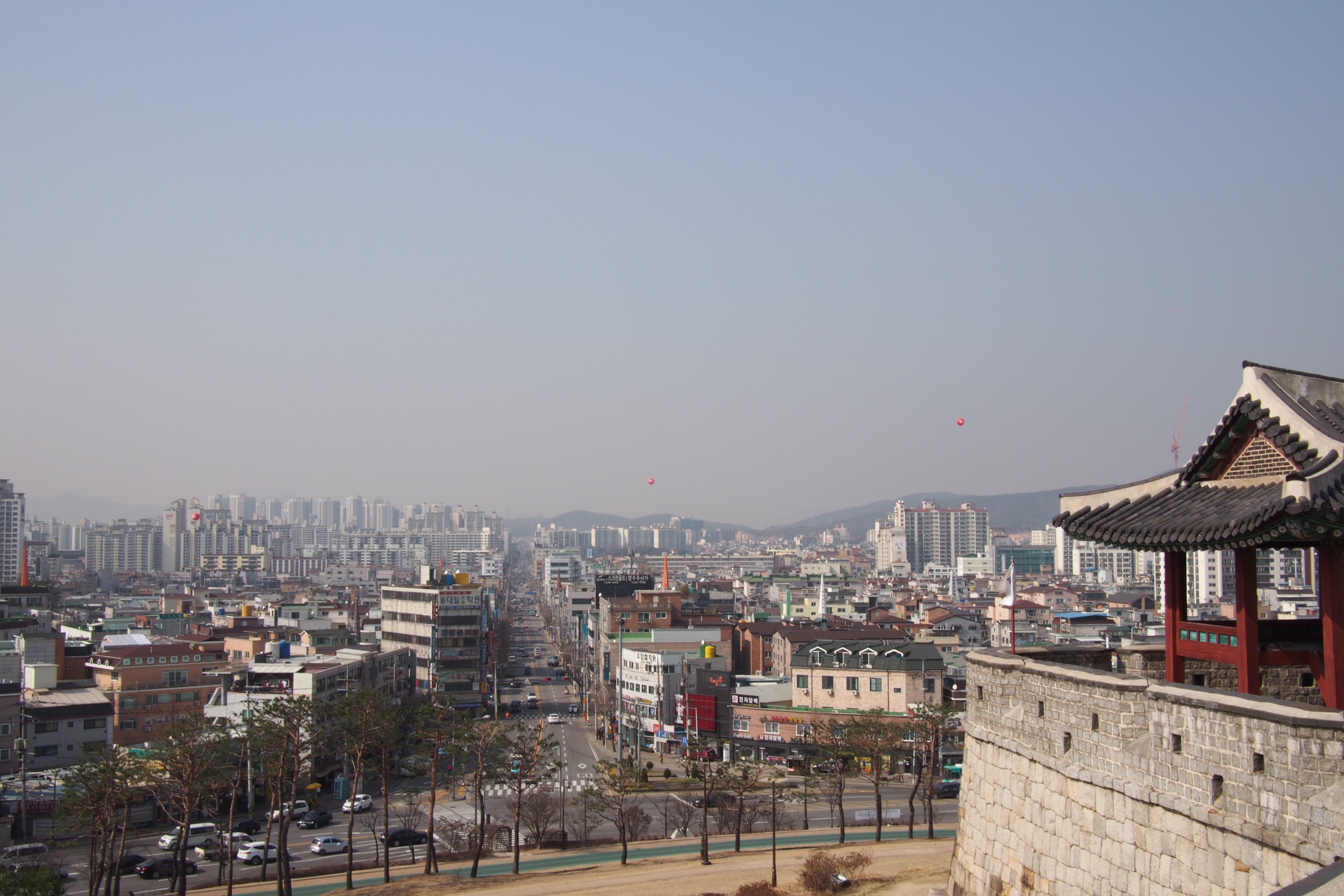
And when you get up there, you’ll have a spectacular view of Suwon. I was there in the afternoon time and the sky was a little overcast though. So someday, I would love to be there for sunrise or sunset.
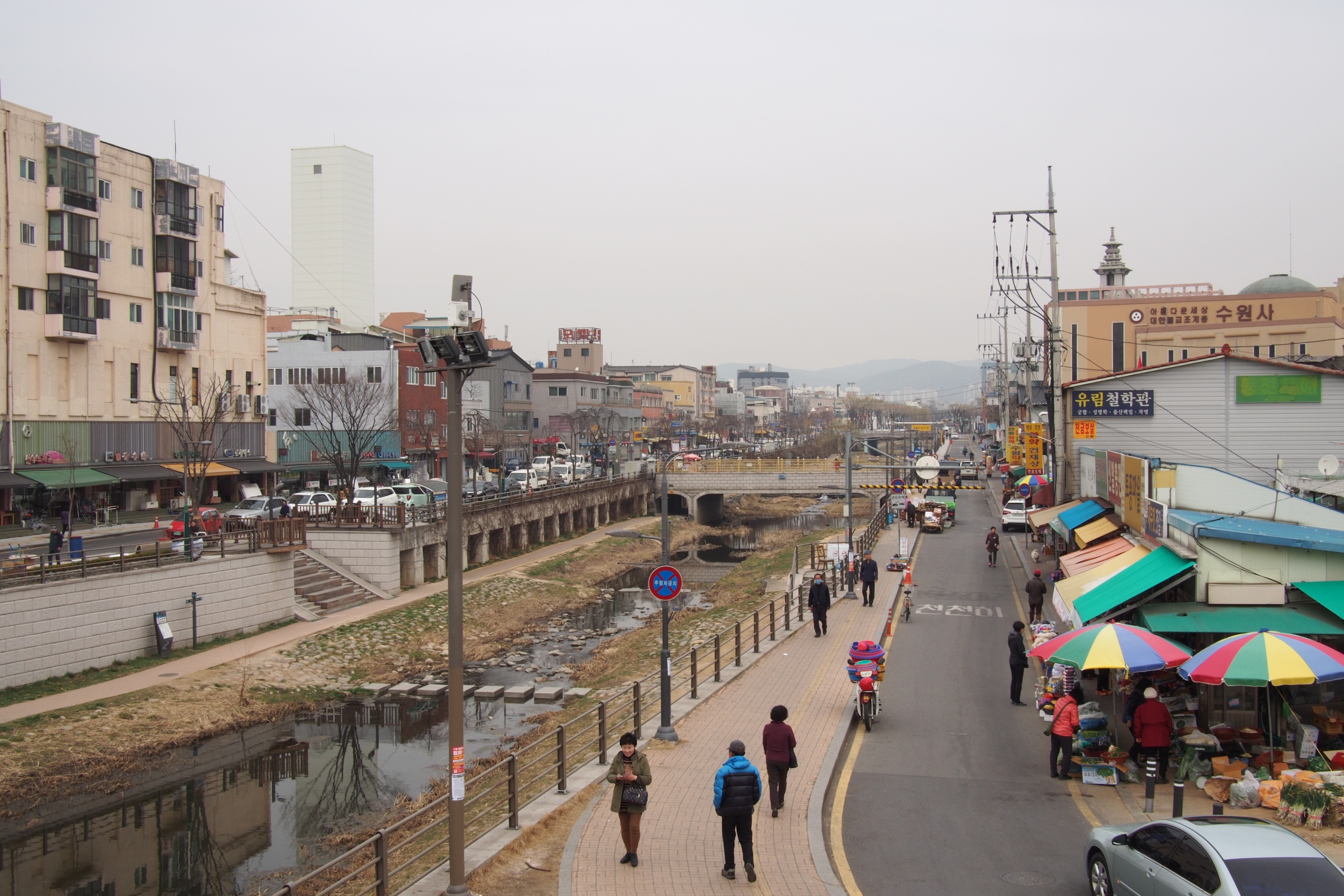
I could’ve walked straight up along Suwoncheon Stream, which cuts right through the town center. That would’ve been an easier walk.
However, Suwoncheon Stream isn’t really that appealing at the moment. Because there wasn’t a lot of water flowing through.
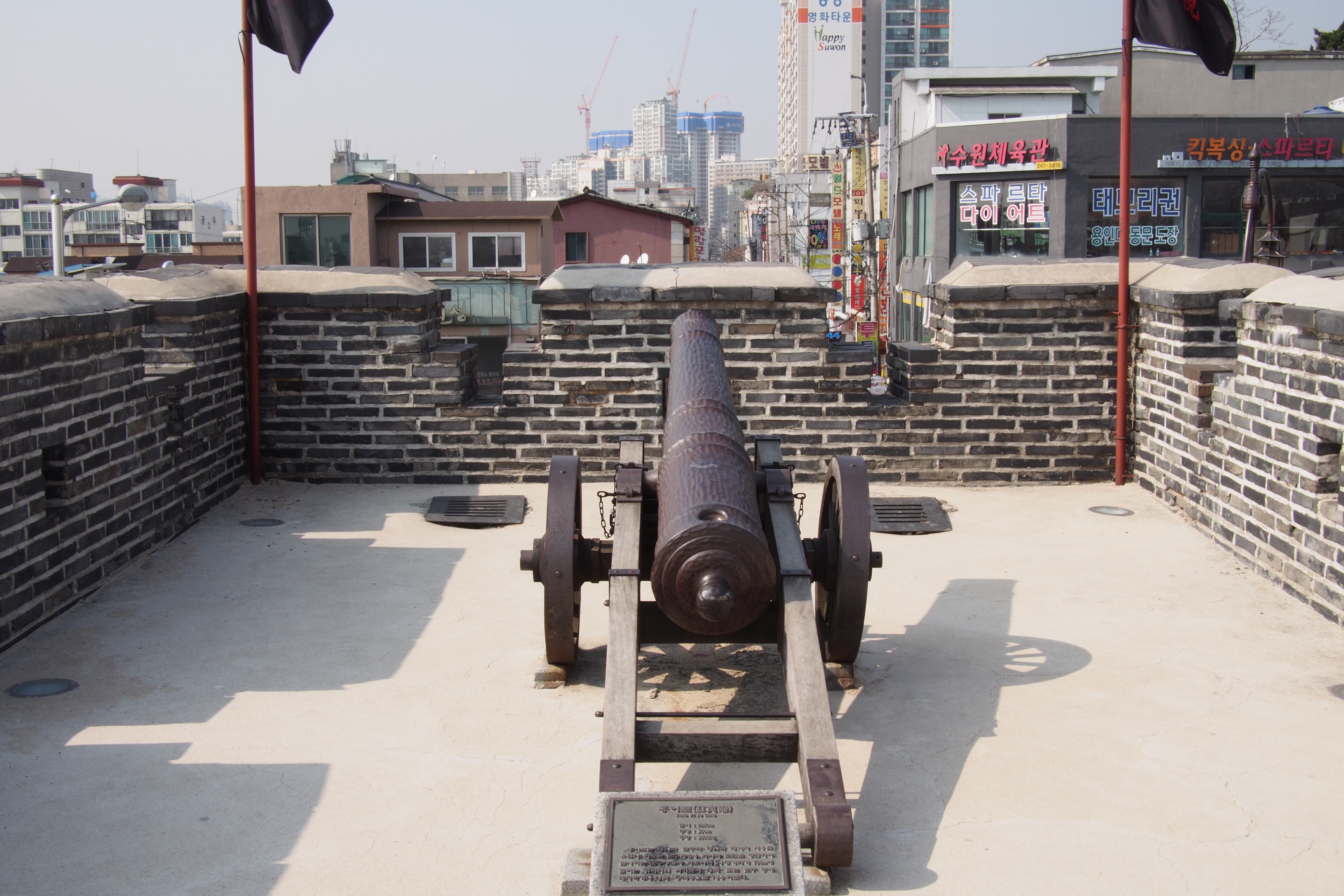
I took another quick look at the map and learned that the fortress had a strategically placed bastion where soldiers could fire arrows, guns, and cannons at pesky invading armies.
There is no mistake. Suwon was once protected by a mighty, formidable fortress.
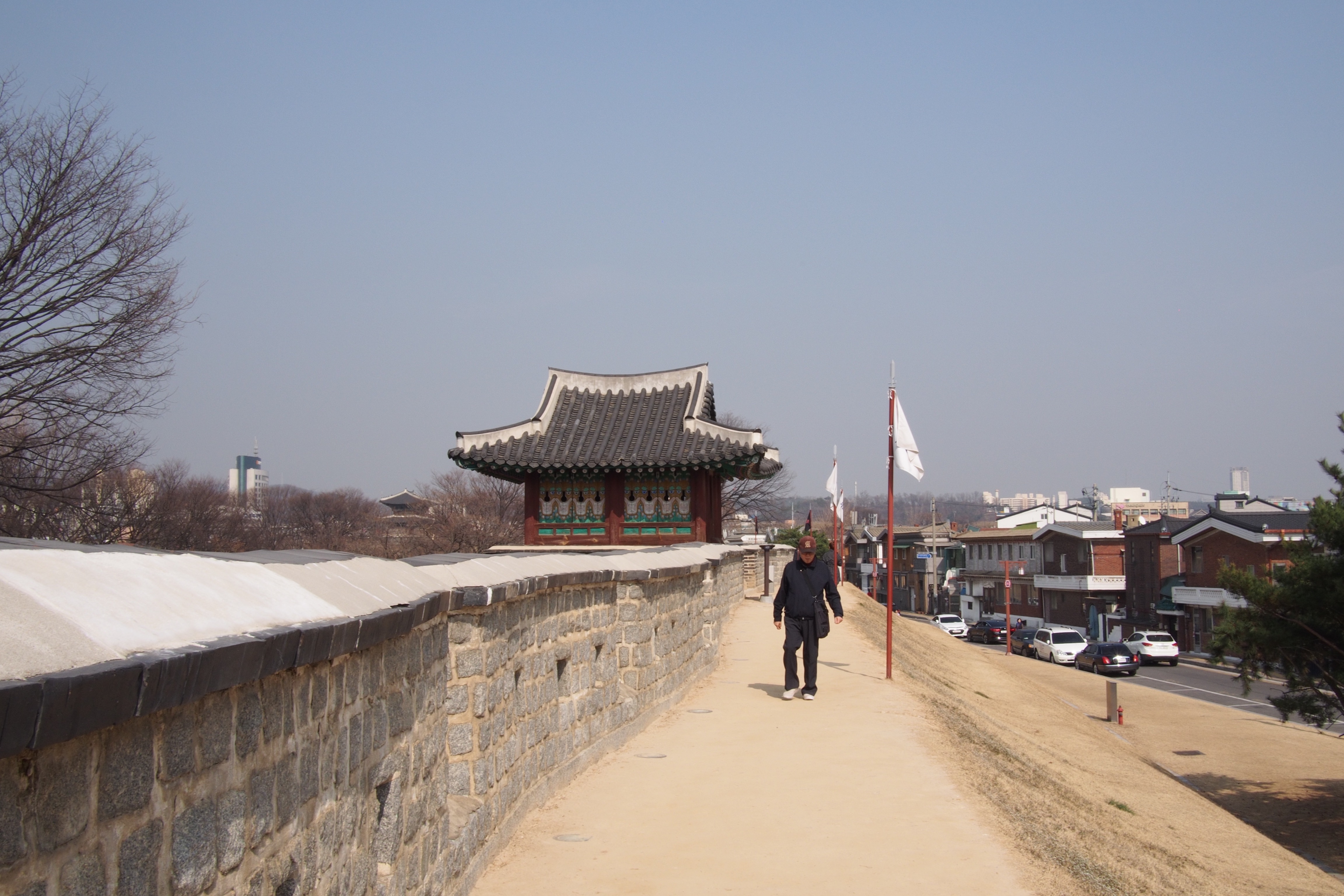
There are also many pavilions overlooking the city. I can just imagine Korean royalty hanging out, eating grapes, and enjoying a countryside once full of farms and forests miles away, as far as the eye could see.
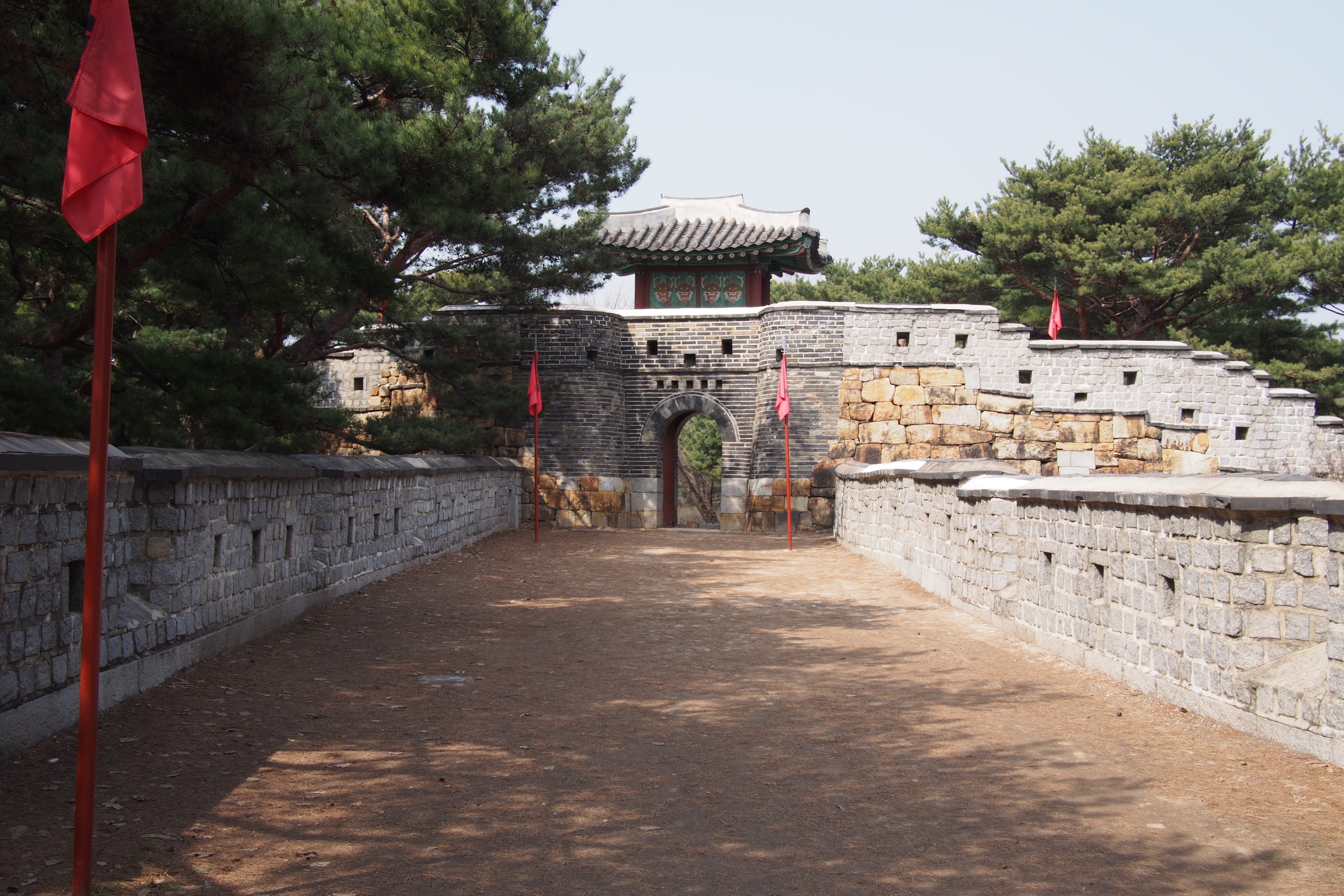
Every bastion, sentry post, observation post, gate, and flood gate has a designated Korean name. And the map I picked up at the tourist info center labels which one is which.
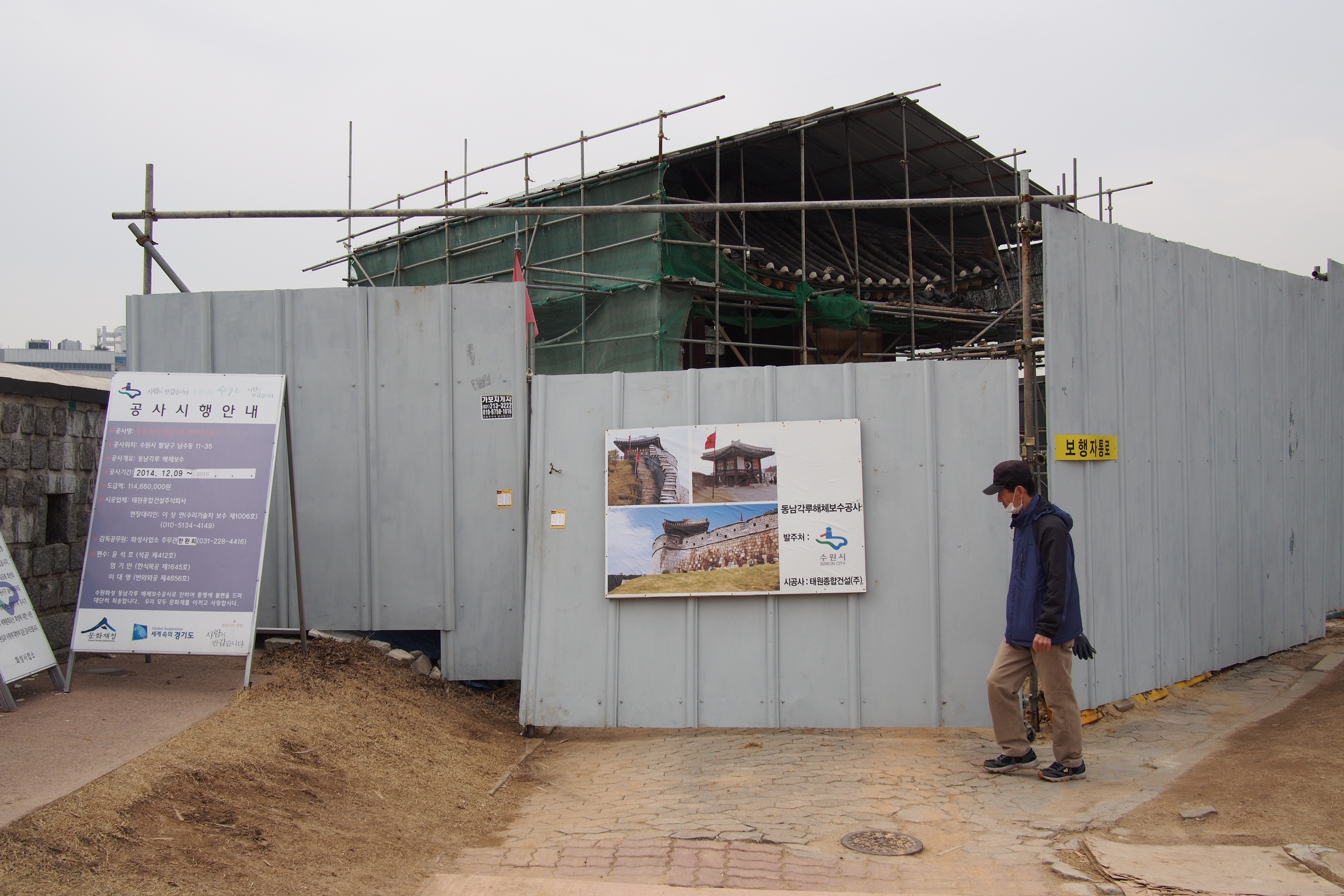
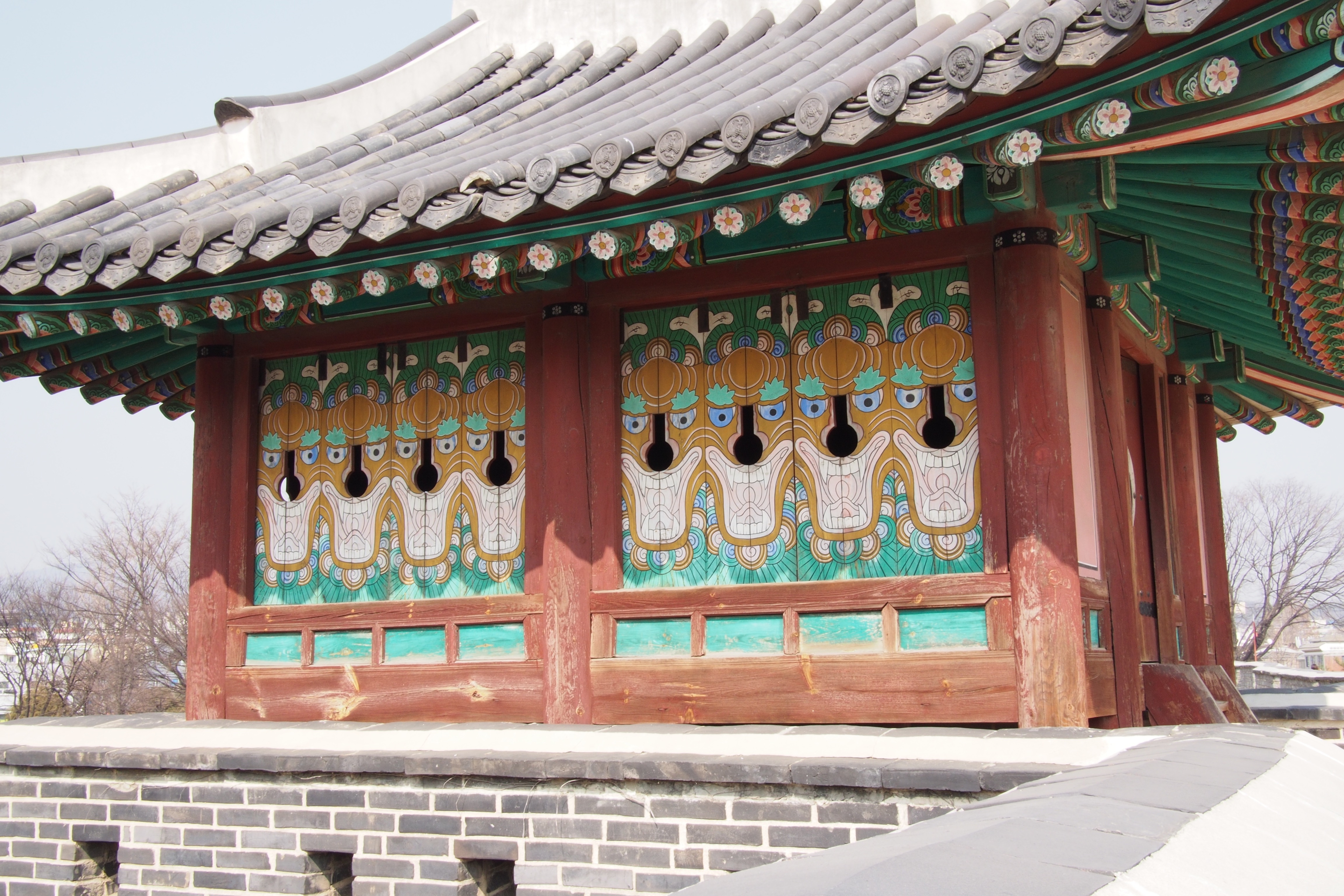
Hwaseong Fortress was built in the 18th century, so some parts of the compound could be under construction during your visit. But while I was there, I only saw one pavilion being renovated.
After walking mid-way along the east wall, I looked west across the town and saw a tall Buddhist statue. At this point, I was just going by what looked interesting.
Daeseungwon Temple certainly caught my attention! So back down another long set of steps I went. It was time to go across town.
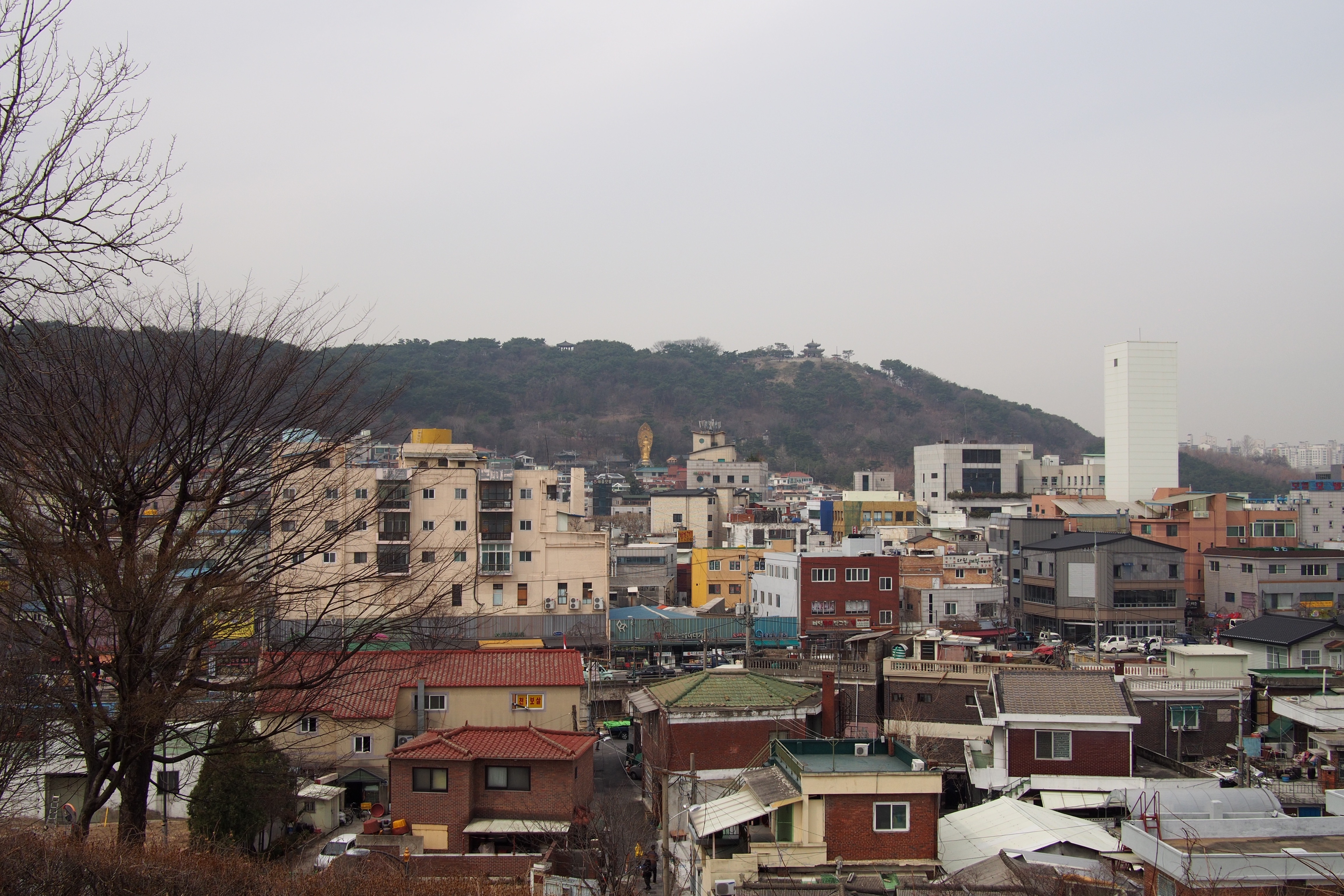
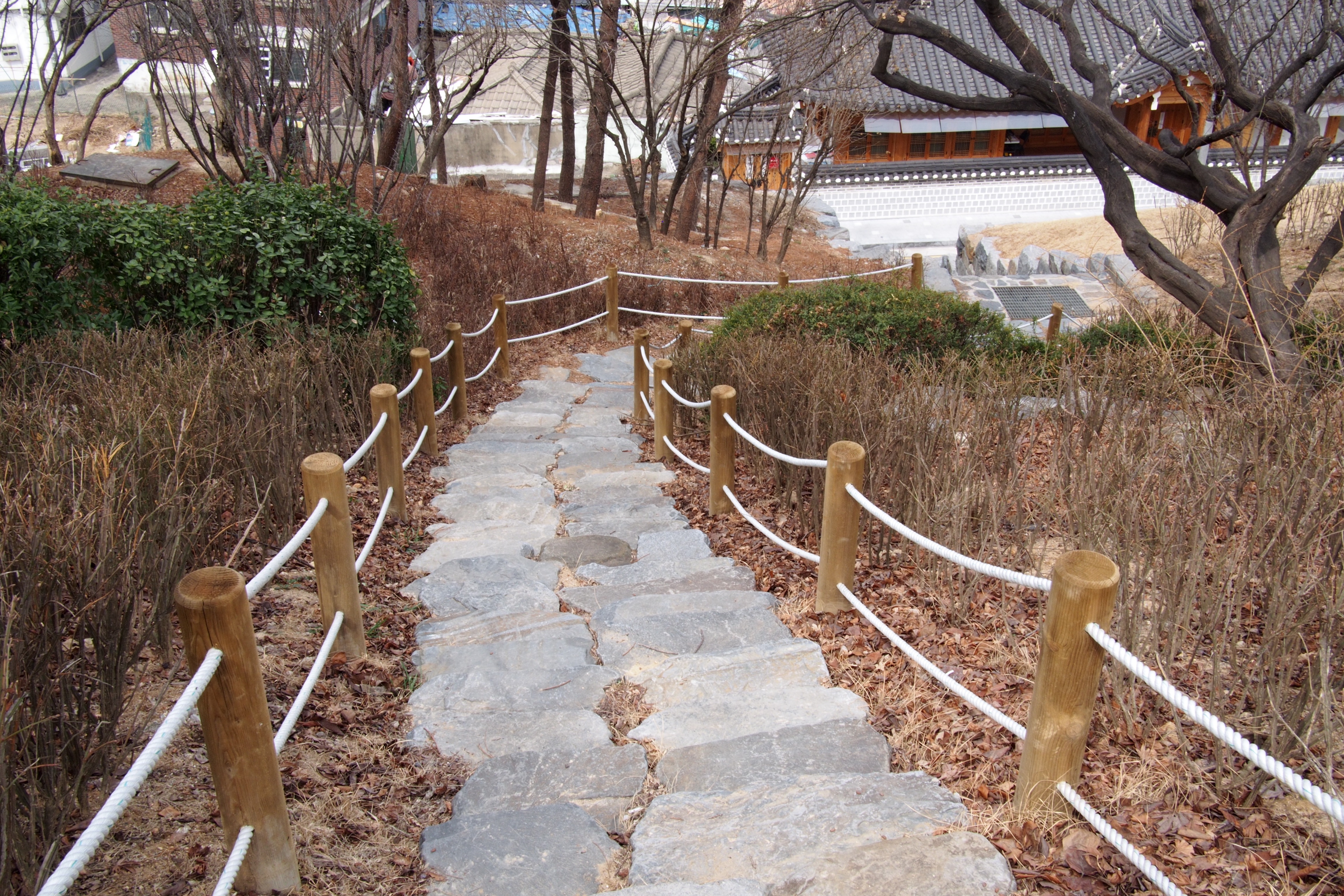
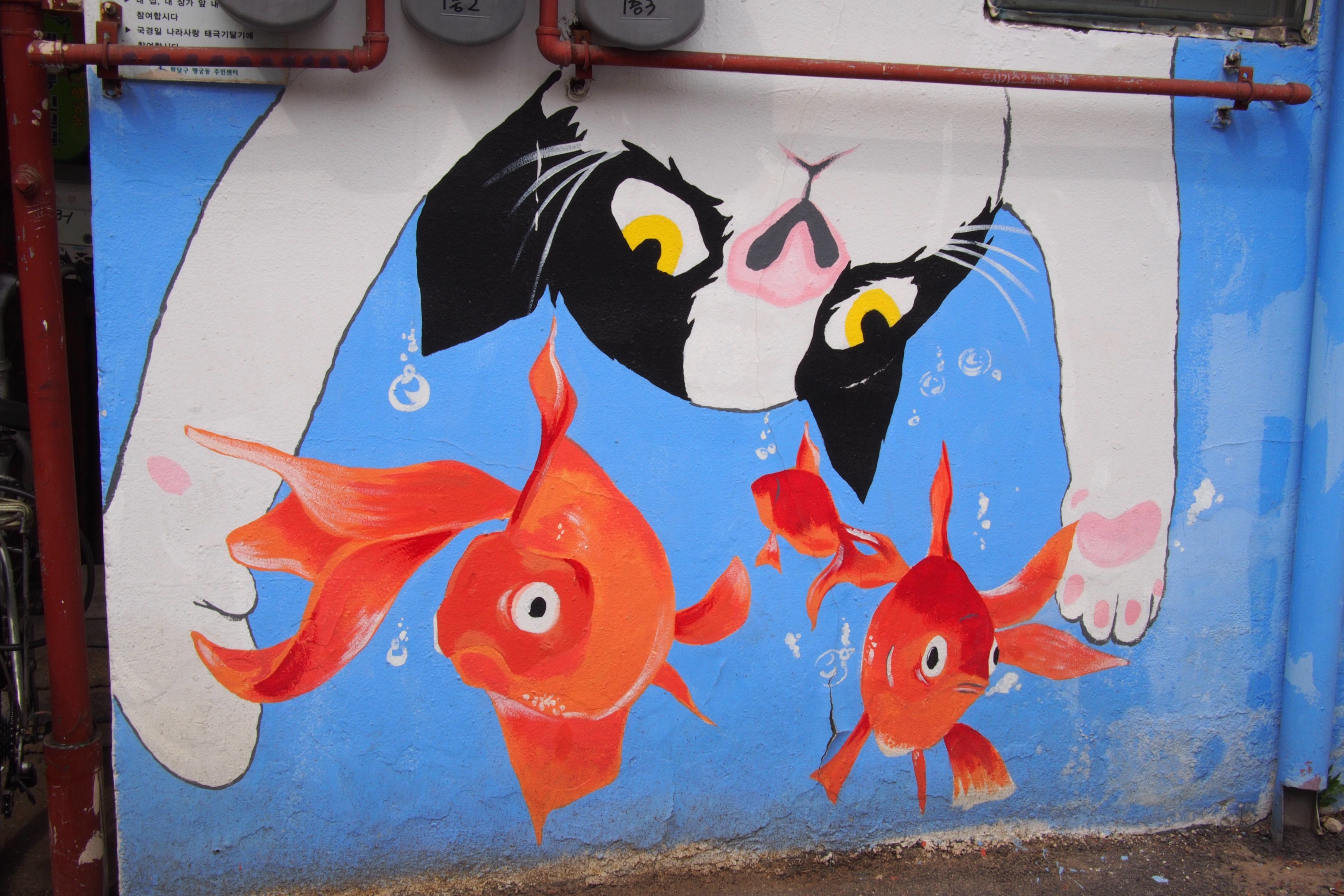
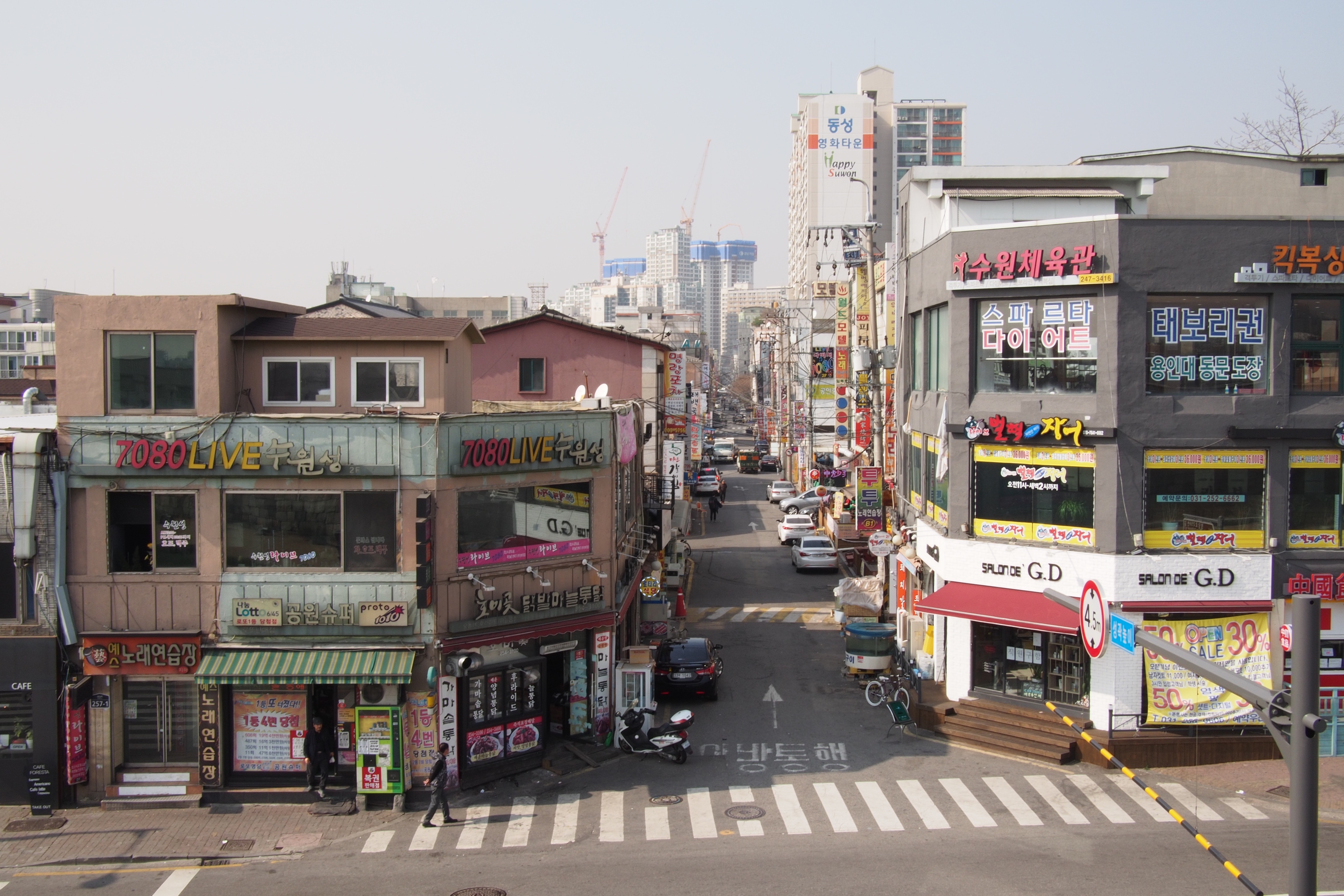
I could easily walk through the neighborhoods of South Korea all day long and enjoy myself. There are many residential buildings, houses, and small apartment buildings. I would love to live inside a fortress!
Hwaseong Fortress was designed by Jeong Yak-yong, considered one of the greatest thinkers in the Joseon dynasty. The circumference of the fortress is approximately 4.7km.
It was designed to keep the aesthetics of its natural surroundings intact using advanced building techniques for the time, such as a cable drive system.
It took me about 15 minutes to walk from Dongichi Bastion, located on the east end of the wall, to the large open grounds of Hwaseong Temporary Palace.
Hwaseong Temporary Palace
A fortress is built to protect a place and someone. In this case, it was protecting the Hwaseong Temporary Palace, completed in 1796 by the order of the 22nd King of the Joseon Dynasty, King Jeong-jo.
And he built it for his father, the Crown Prince Jangheon, this amazing gift where he was laid to rest.
That’s a tough one to beat. I bought my dad a tobacco pipe once for his birthday.
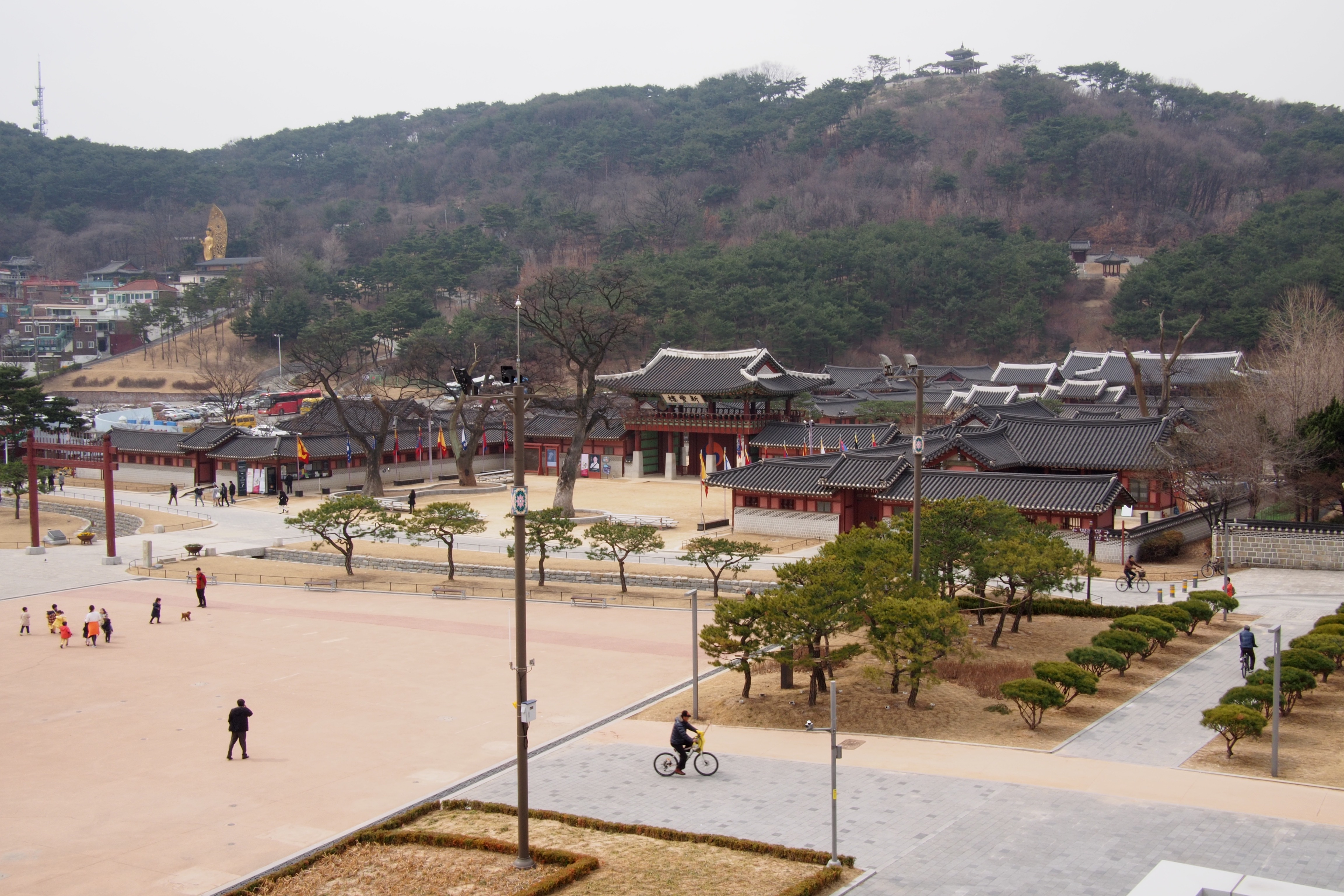
Sadly, through time and especially through the Korean War, the Hwaseong Temporary Palace fell into disrepair. Work was started in 1975 to restore the palace grounds.
Eventually, in December 1997, it was listed on the UNESCO world cultural heritage, and it deserves that honor.
An adult ticket to explore inside Hwaseong Temporary Palace costs 1500KRW. For teens, it’s 1000KRW, and for children, 700KRW.
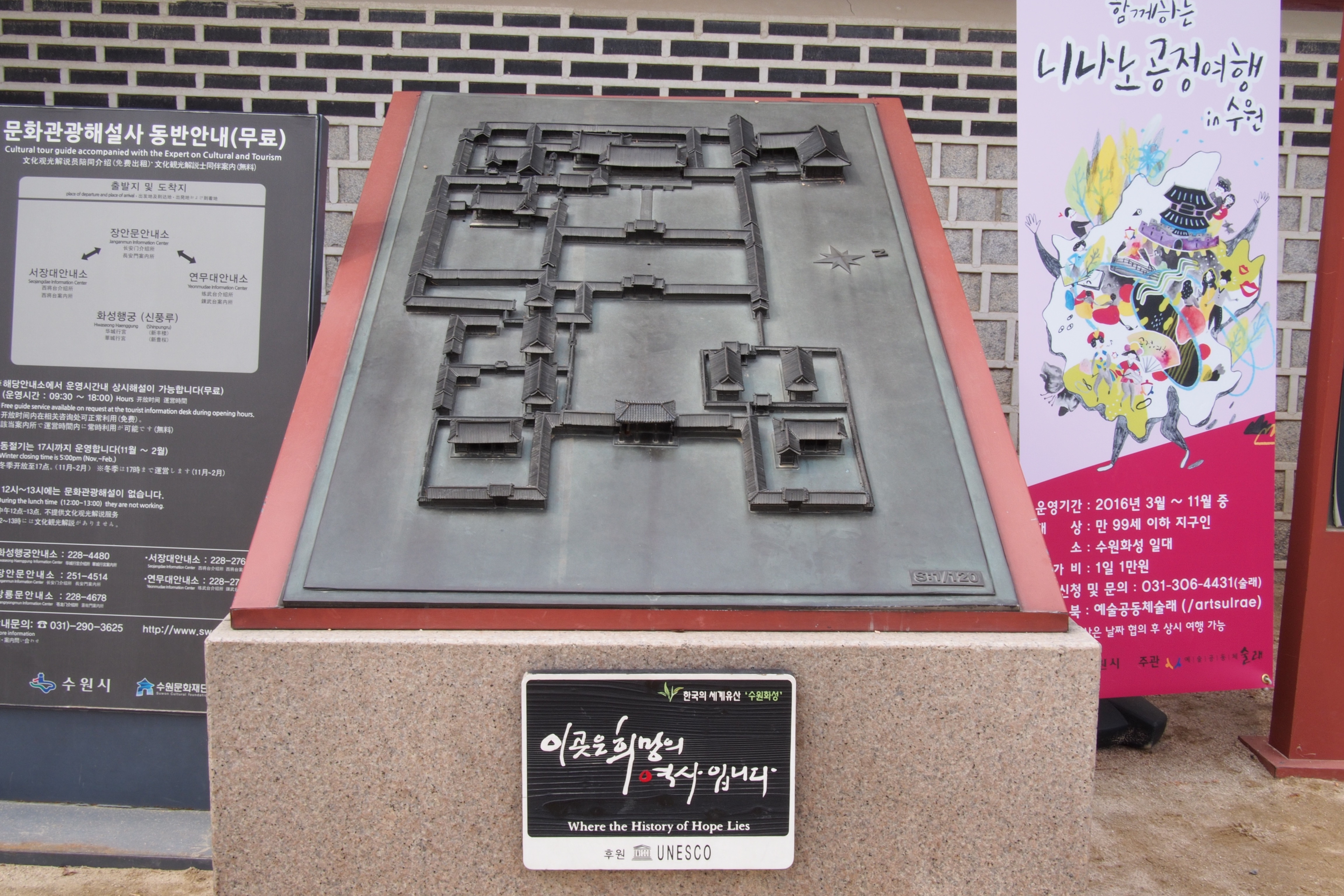
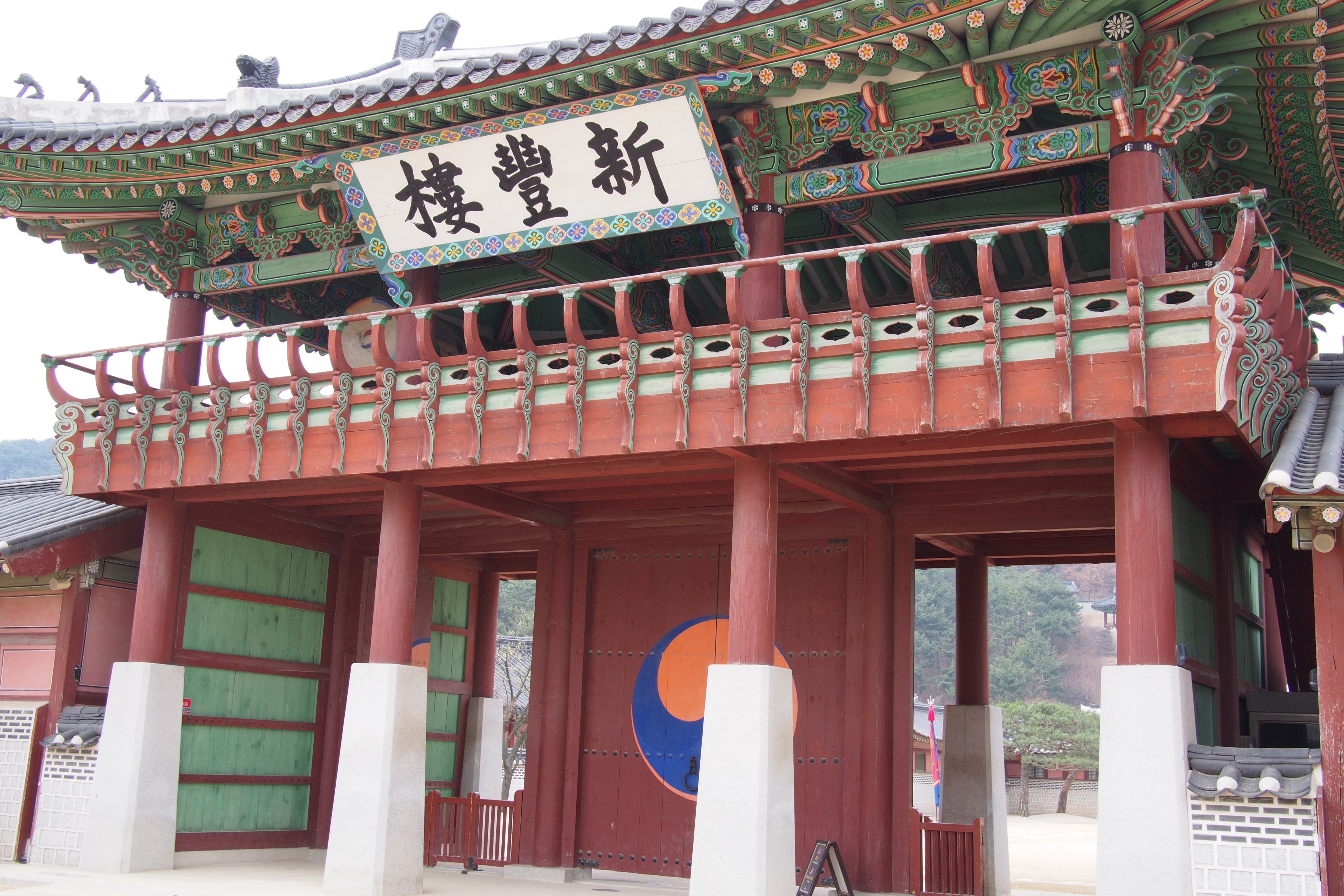
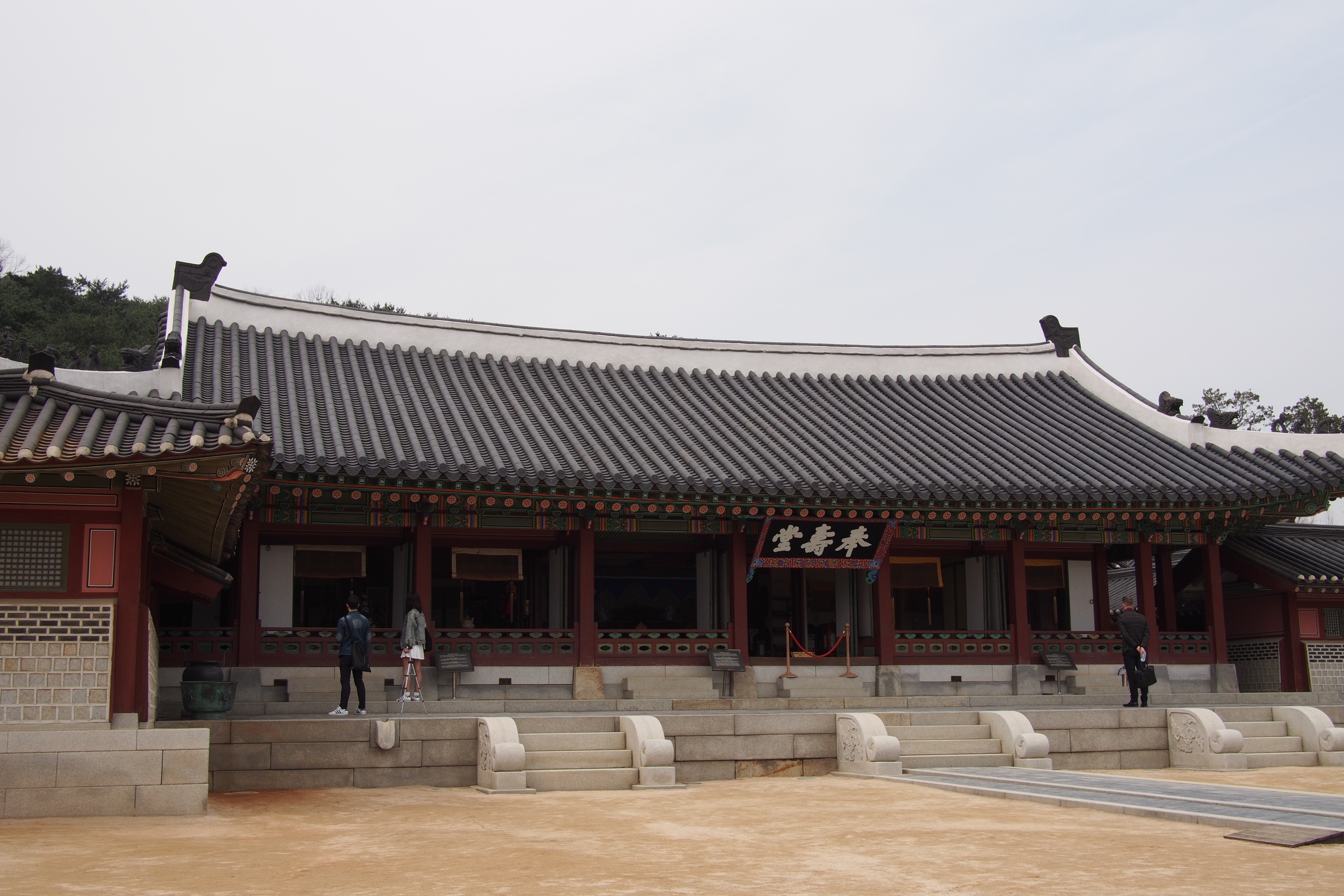
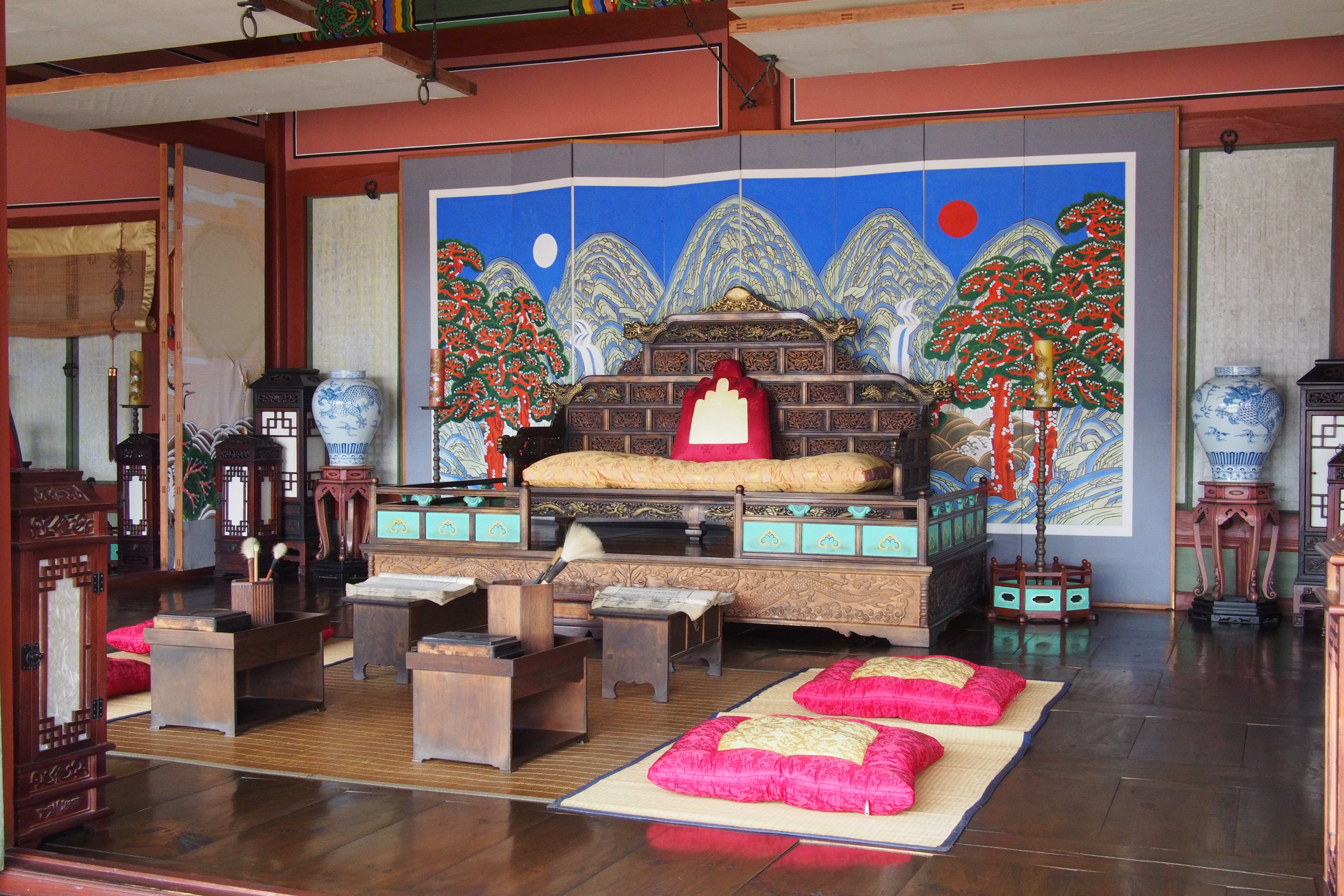
Inside, there are 16 points of key interest. Such as government offices, a few palaces, dining halls, and massive bedrooms for Korean royalty.
There’s even a big kitchen designed for cooking large banquets. One thing I learned about Korean royalty is that they really know how to feast.
I also learned that the Hwaseong Temporary Palace was used to film many popular period films and soap operas. Even my wife, who is Thai, remembered watching some of the shows that were subtitled in Thai.
For the Korean film and TV show addicts, these were filmed on location:
- Dae Jang Geum
- I San
- Moon Embracing the Sun
- King and the Clown
Time to Eat
I walked around the palace grounds for about an hour, and I started getting hungry. It was 1 pm, which was way past my usual lunch time. Time for some Gal-Bi!
Now I didn’t know where to go. If Suwon is well known as a Gal-Bi city, then I was sure someone at the tourist information booth could come up with recommendation.
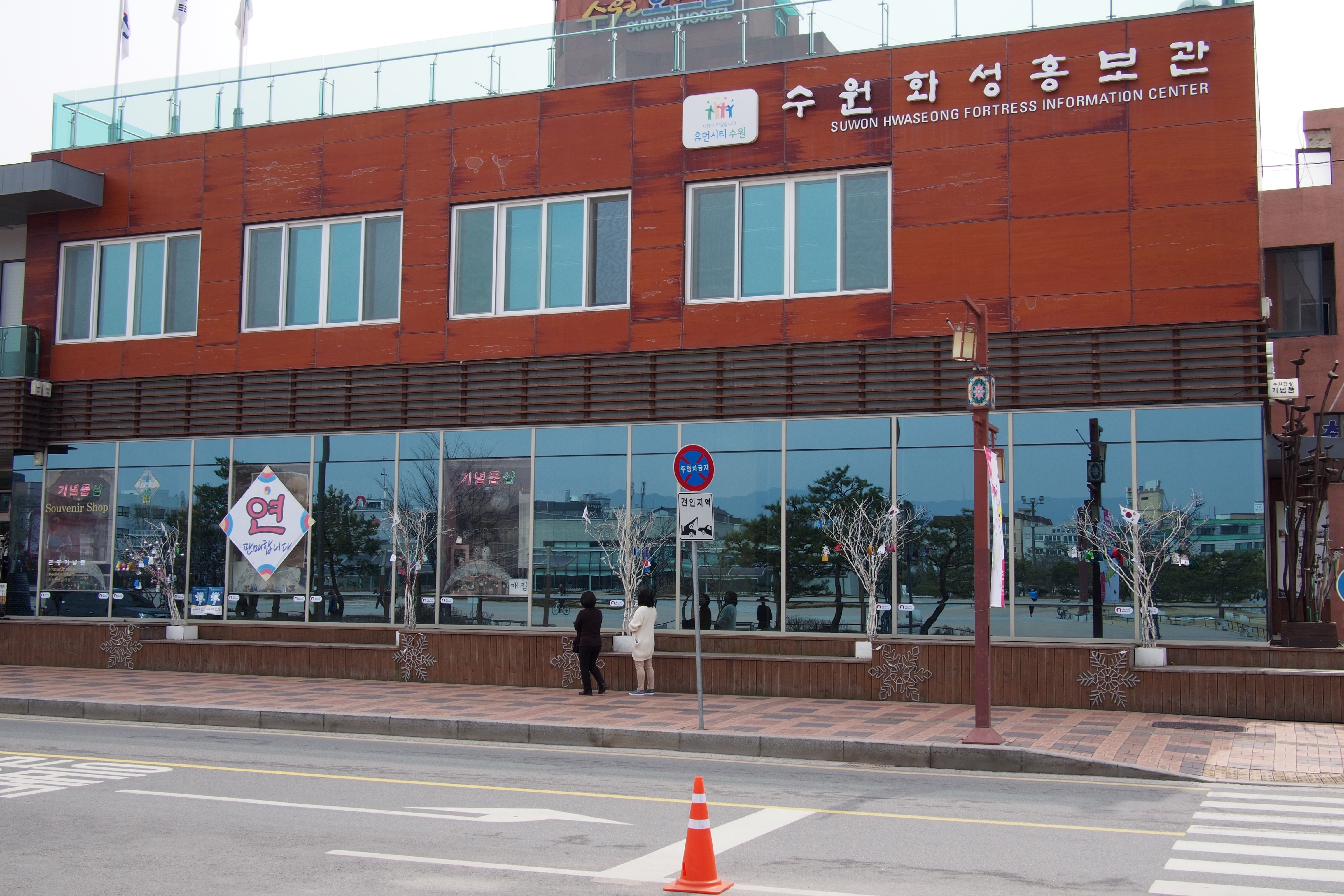
I found an information booth right outside the Hwaseong Temporary Palace. I asked a guy working inside if he knew of a good Gal-Bi restaurant. Oddly, the tourist assistant said Suwon is not well known for Gal-Bi.
Undaunted, I asked where I could find some good restaurants. He pointed out an area not far from the palace where there is a row of restaurants.
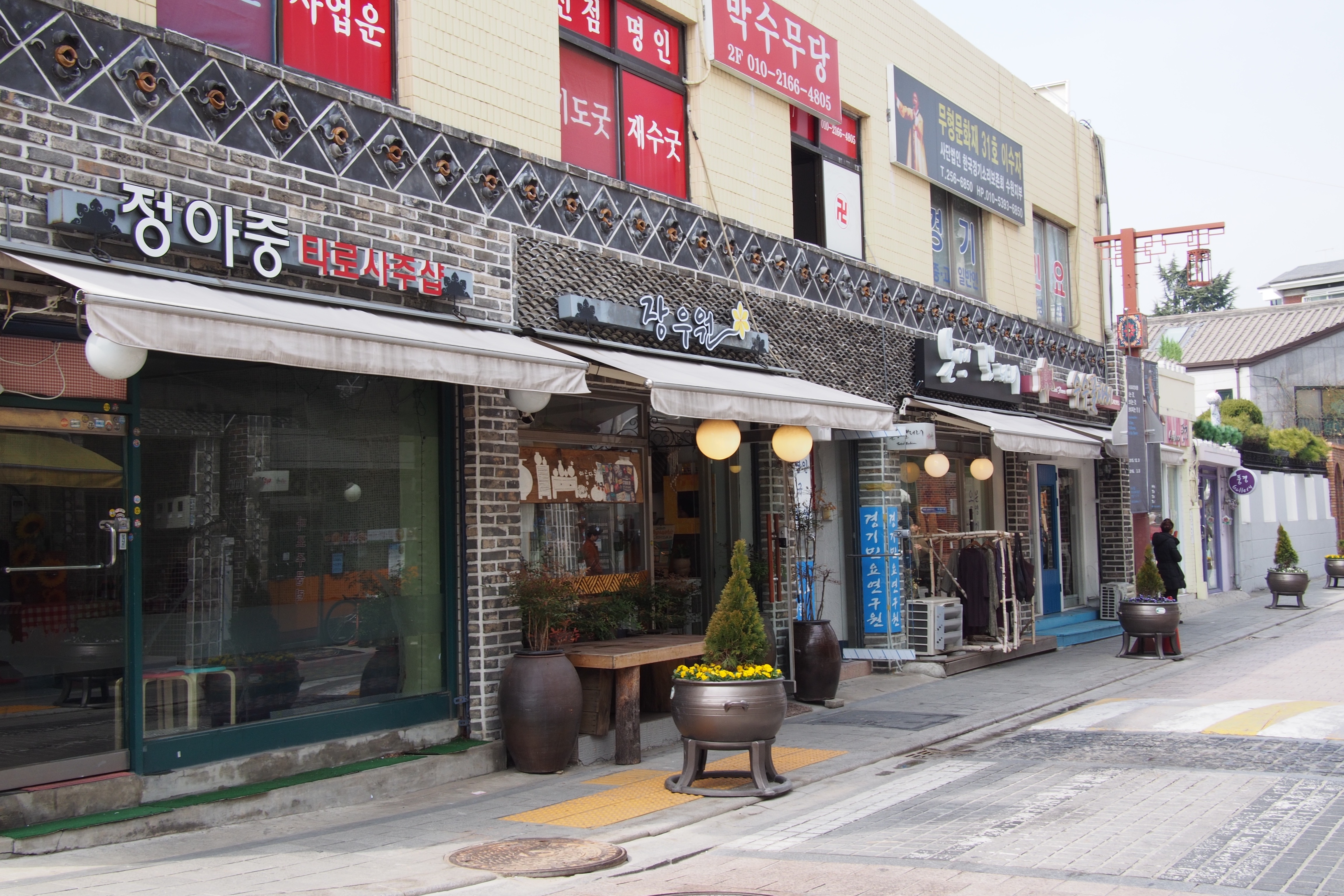
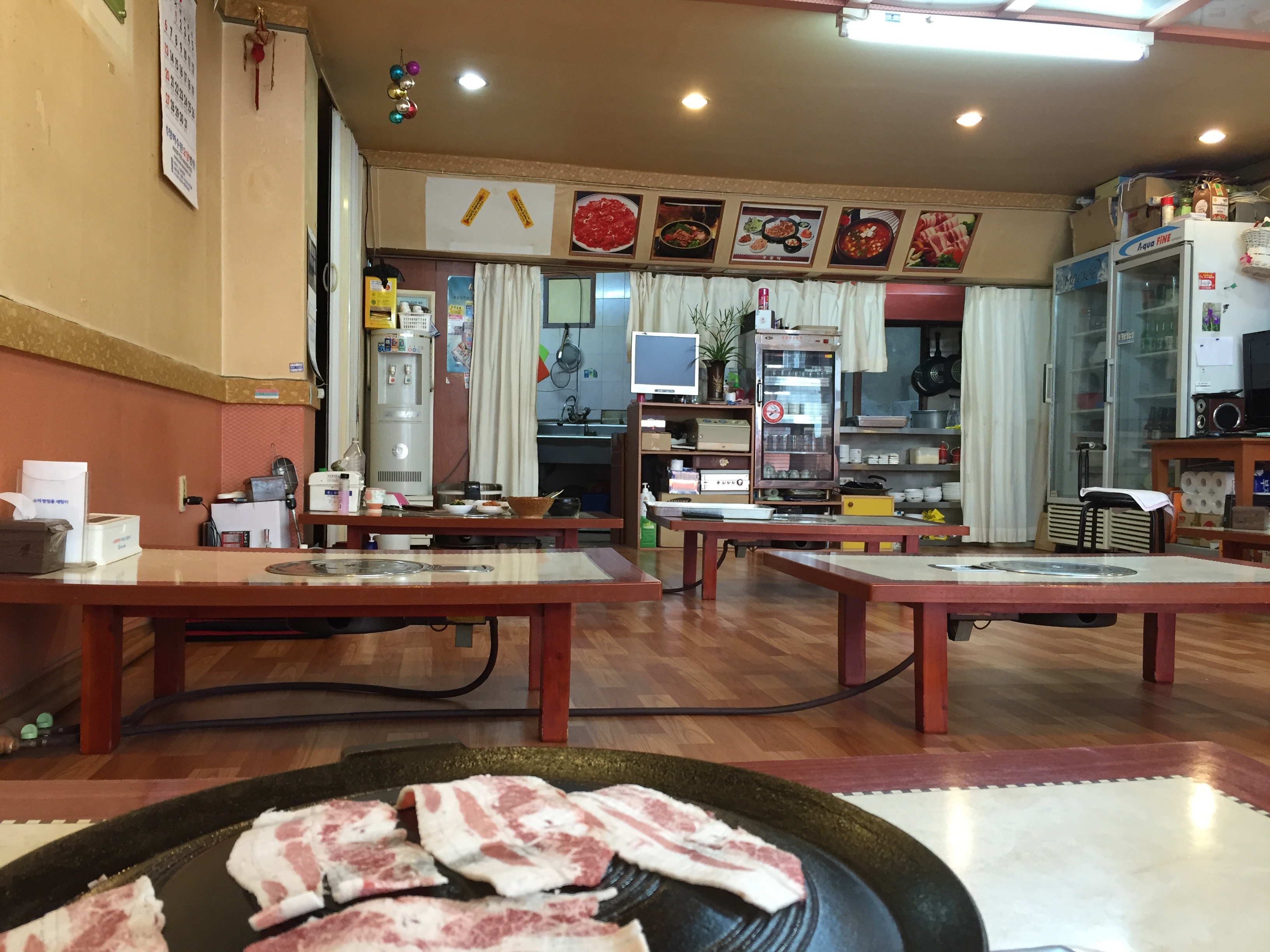
I went down not far from the palace and stopped at a restaurant with a bunch of posters of raw beef sizzling on hot grills. This place must be it.
I went in and was greeted by a couple in the middle of their lunch. I apologized for disturbing their lunch. I assume they are the owners.
I was the only customer inside because it was past normal lunch hours. Still, they welcomed me in with a warm smile and showed me to my table.
Korean BBQ Meals Are Priced For 2 Persons
I found Gal-Bi on their menu, and it was $25 USD. However, Korean BBQ restaurants are priced for 2 diners.
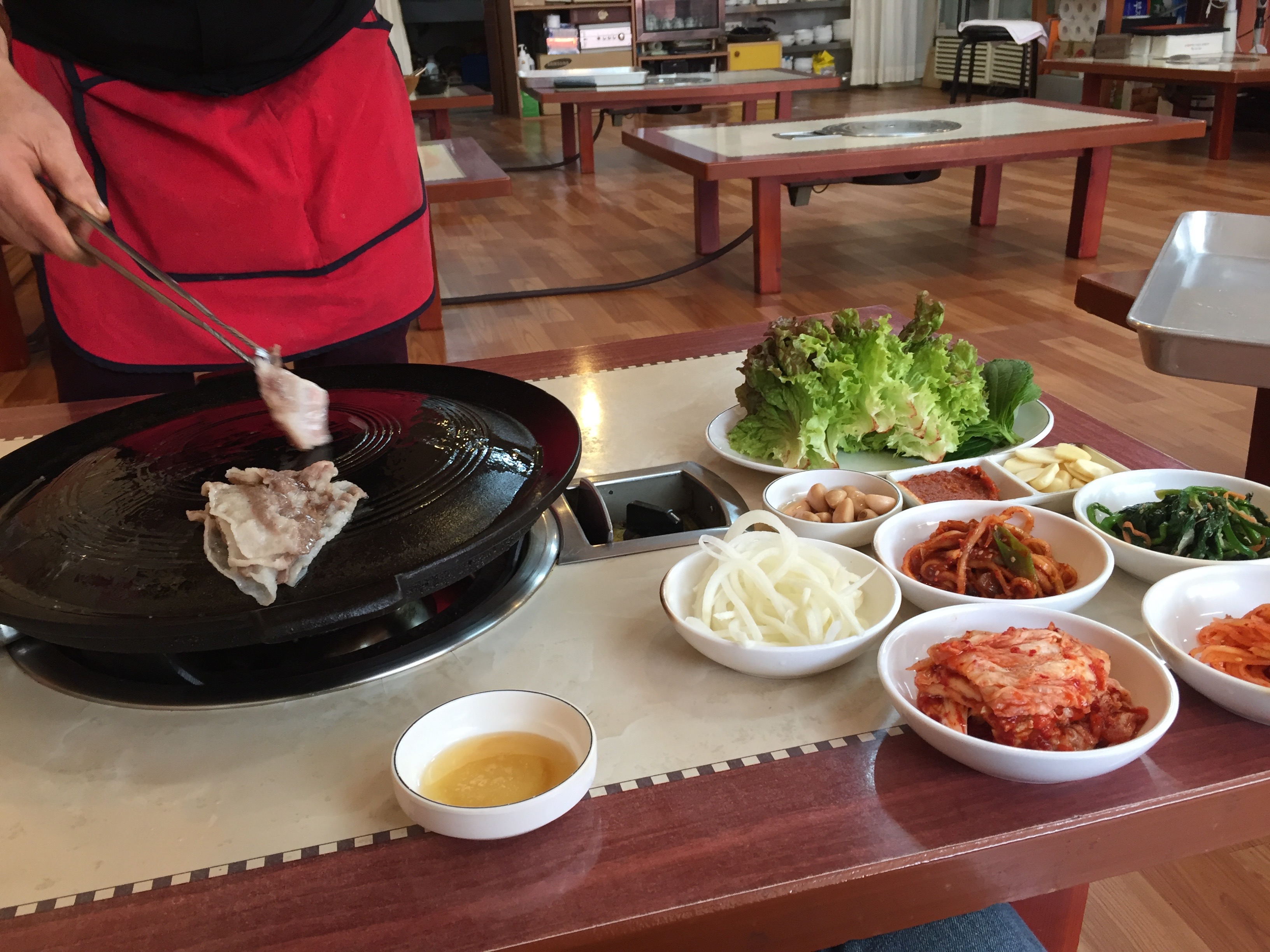
So $25USD x 2 = $50USD, which is too rich for lunch for one person. Instead, I opted for the thinly sliced fatty brisket Chadol-Baki (차돌박이), and it cost me $32 USD for the standard 2 orders.
Yes, still pricey for lunch. But I was starving from all the exploring.
To be honest, I can’t say it’s the best Korean BBQ I’ve ever had. The beef slices were still frozen when they hit the hot plate. I don’t think that’s normal.
I’m assuming since it’s past lunchtime already, they tucked everything back inside the freezer.
My friendly server, an elderly Korean lady, did all the cooking for me. The beef didn’t really caramelize. Was a bit soggy for my liking.
But the accompanying traditional side dishes, banchan (반찬), together with the good quality beef, satisfied my hunger.
Onwards I Go…
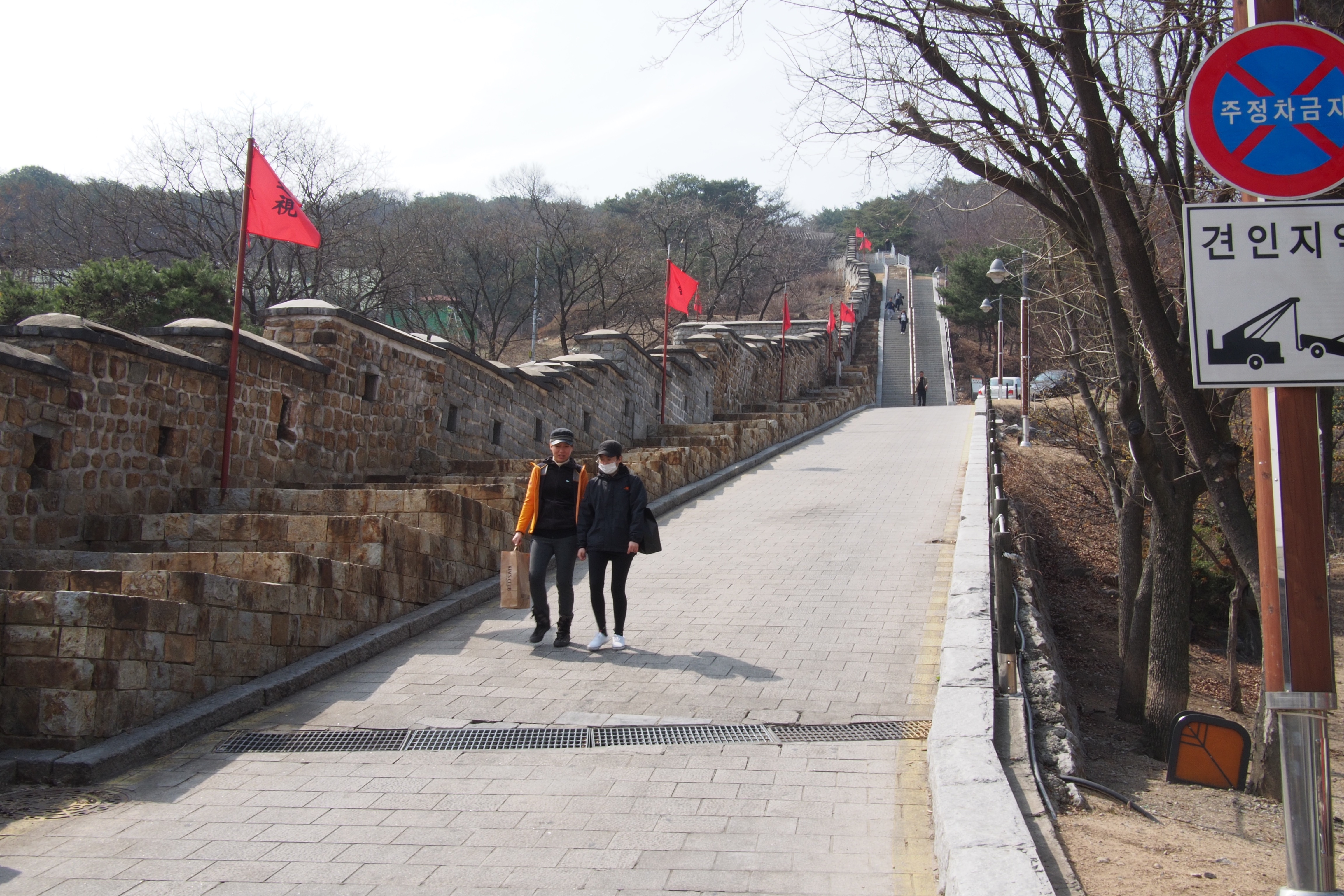
After a belly full of beef and so much banchan, I really had to walk off that meal. And what better way to do that than to tackle the steps leading up to the western wall of Hwaseong Fortress?
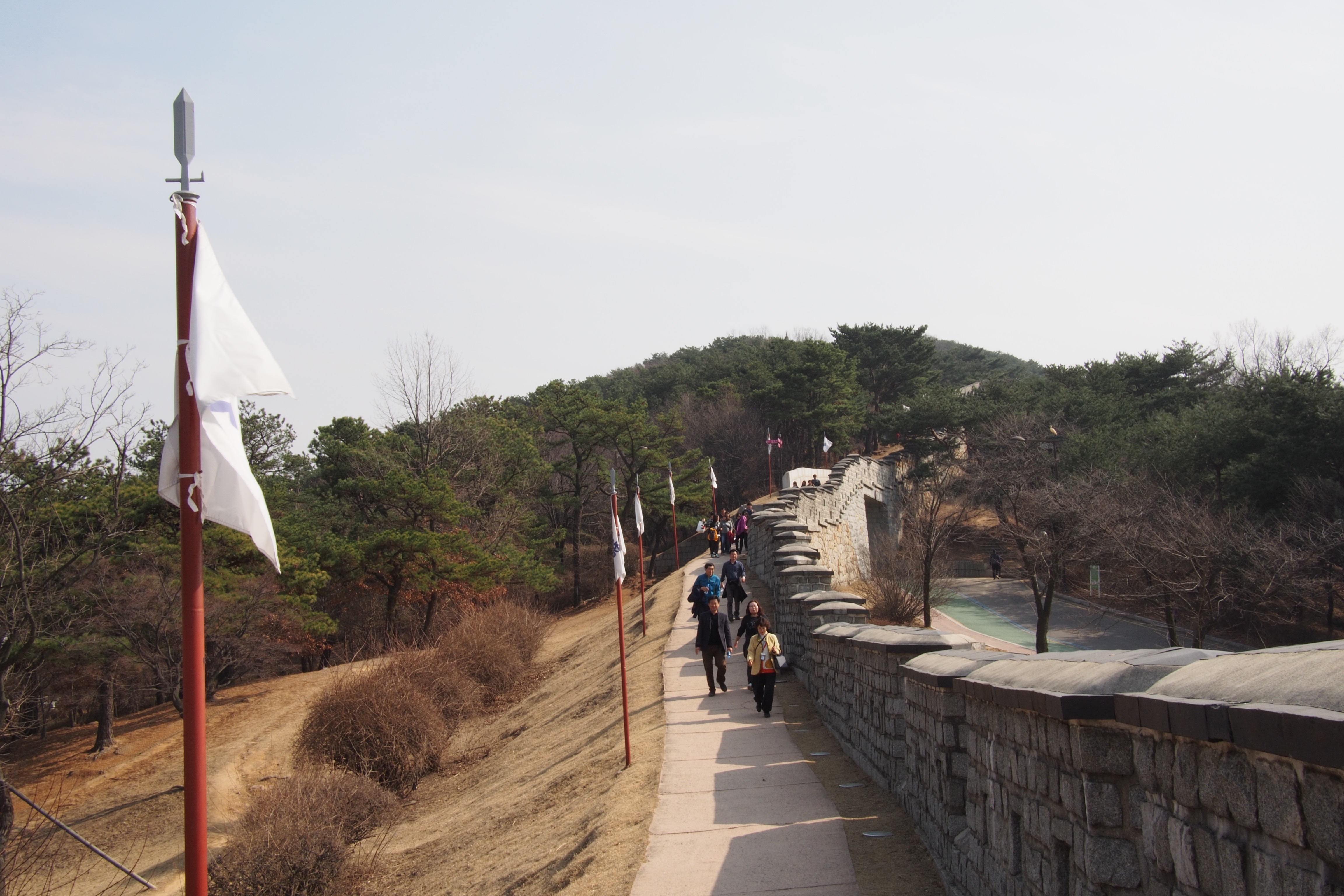
From the western side of the fortress, I made my way north along the wall. It was a nice stroll, passing by more bastions and a command post.
And you’ll get a great bird’s eye view of Suwon city. And the sky was clearing up. The sun was out.
It was definitely warming up a bit as well, and I started sweating.
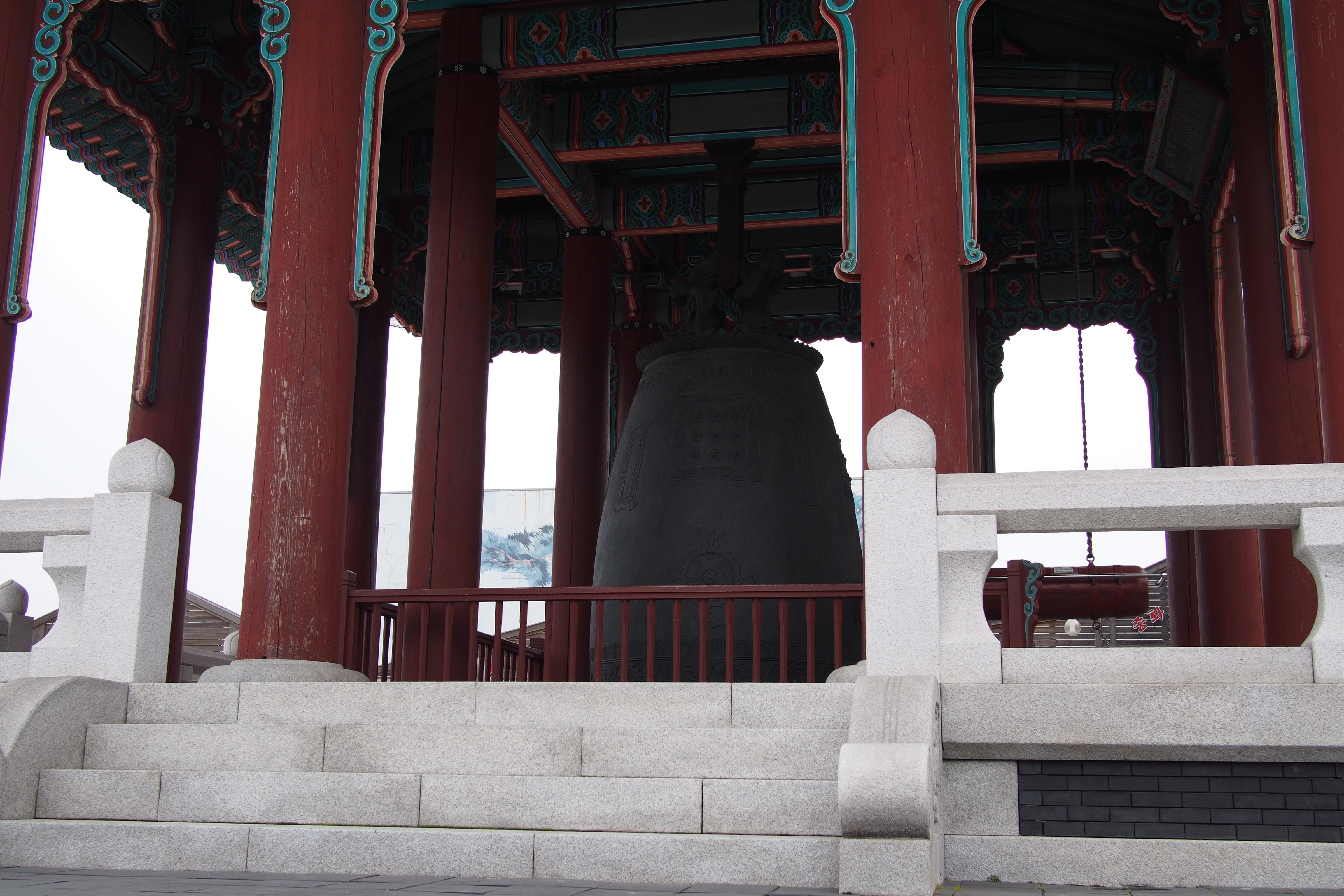
I also checked out the Bell of Hyowon (but I forgot to take a picture). It’s the symbol of Suwon. And there’s a ritual to striking the bell. I struck the bell 3 times as instructed on an informational plaque.
First for the health of parents, second for the health of family and friends. Third, for the person who needs it the most… myself.
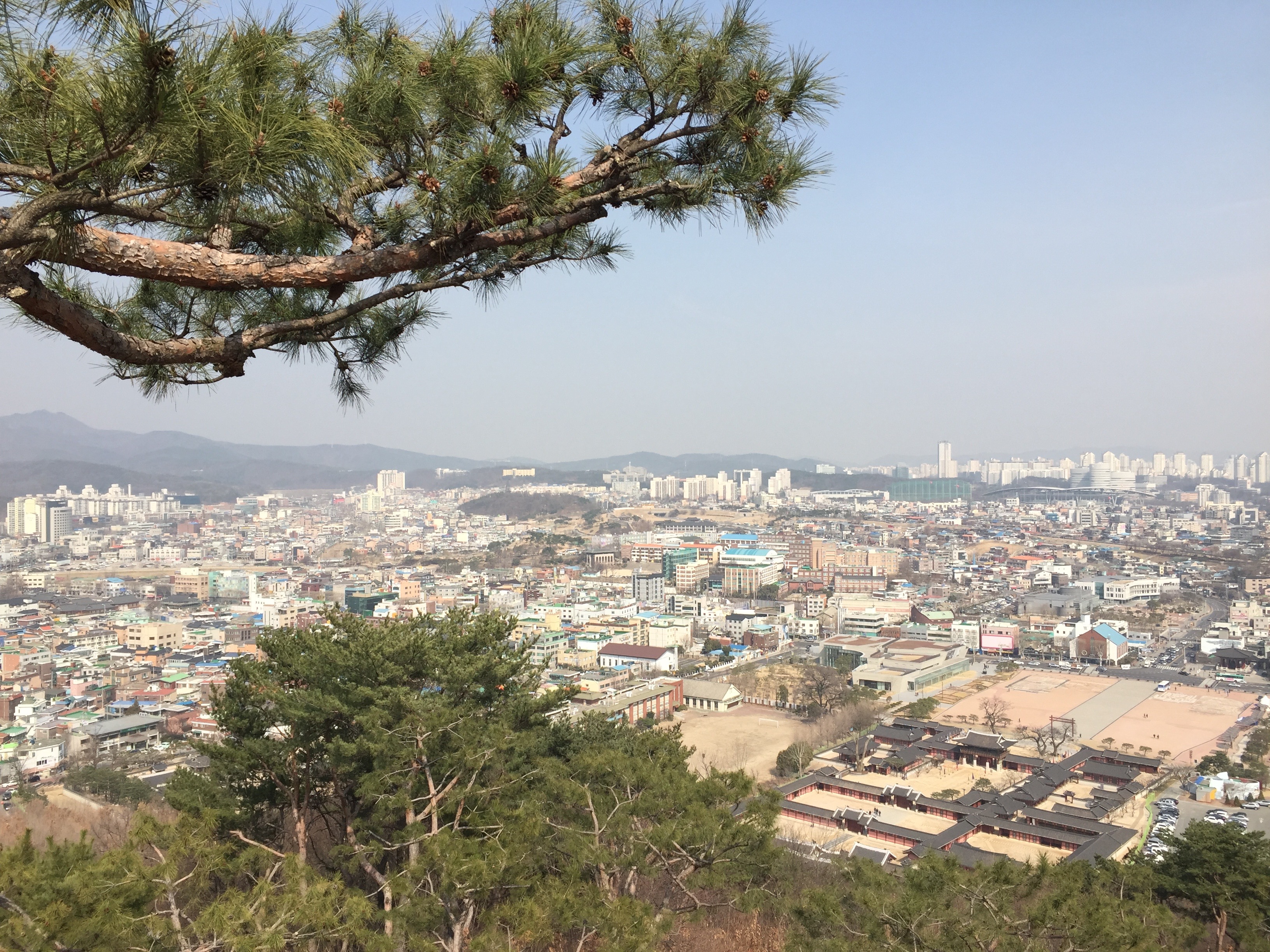
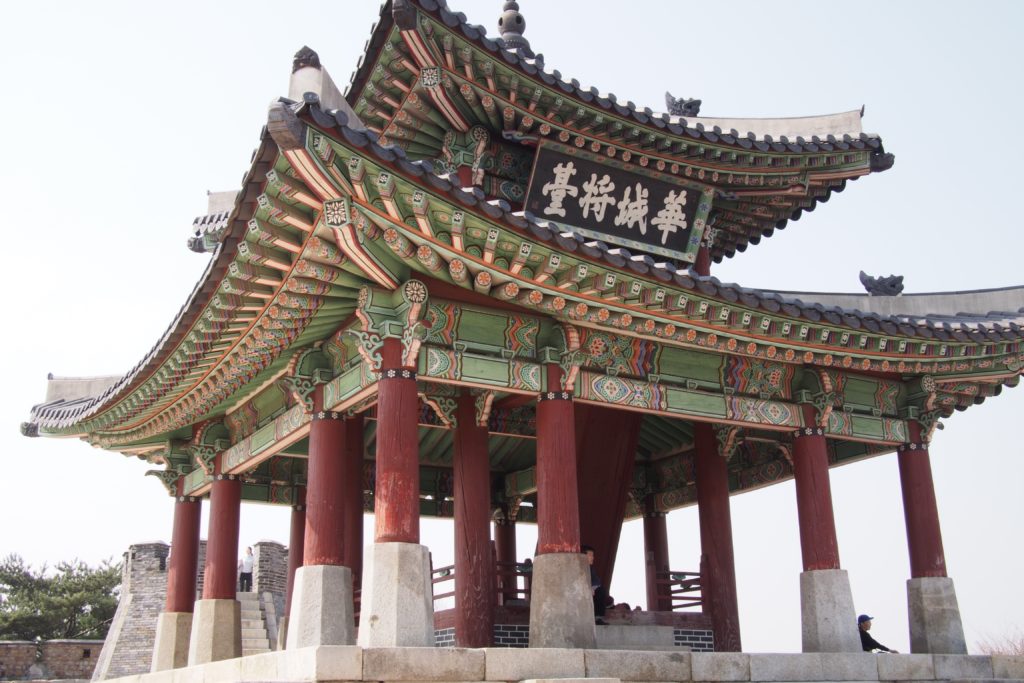
A little further up from the Bell of Hyowan is the Seojangdae command post. From this spot, you get a wonderful view of northeast Suwon.
From there, I continued to the northern section of the fortress. I also want to point out that the Western Wall is the highest section of the fortress.
There are plenty of steps and footpaths that are easy to walk on. But it’s best to have on a good pair of walking shoes if you are planning to visit.
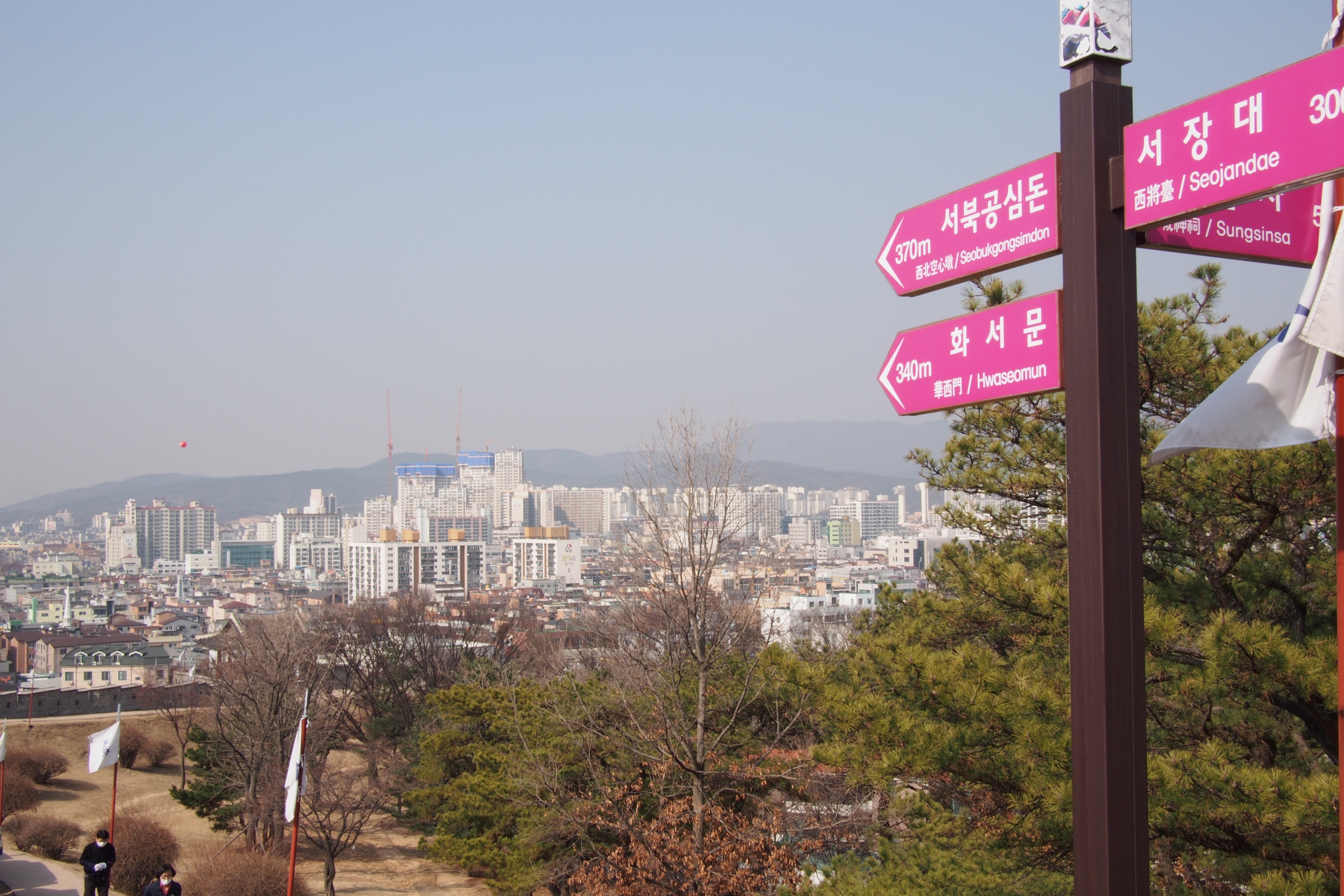
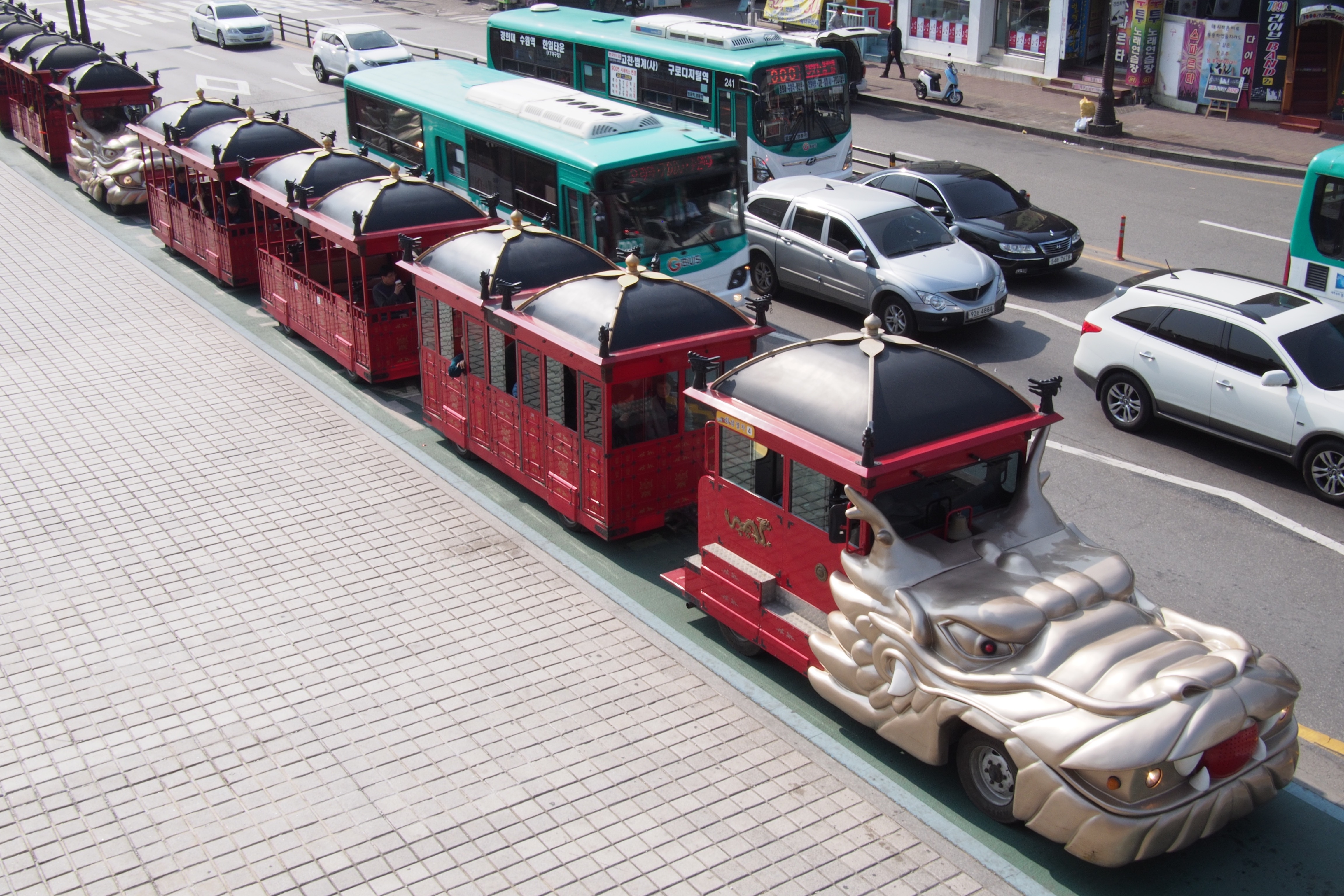
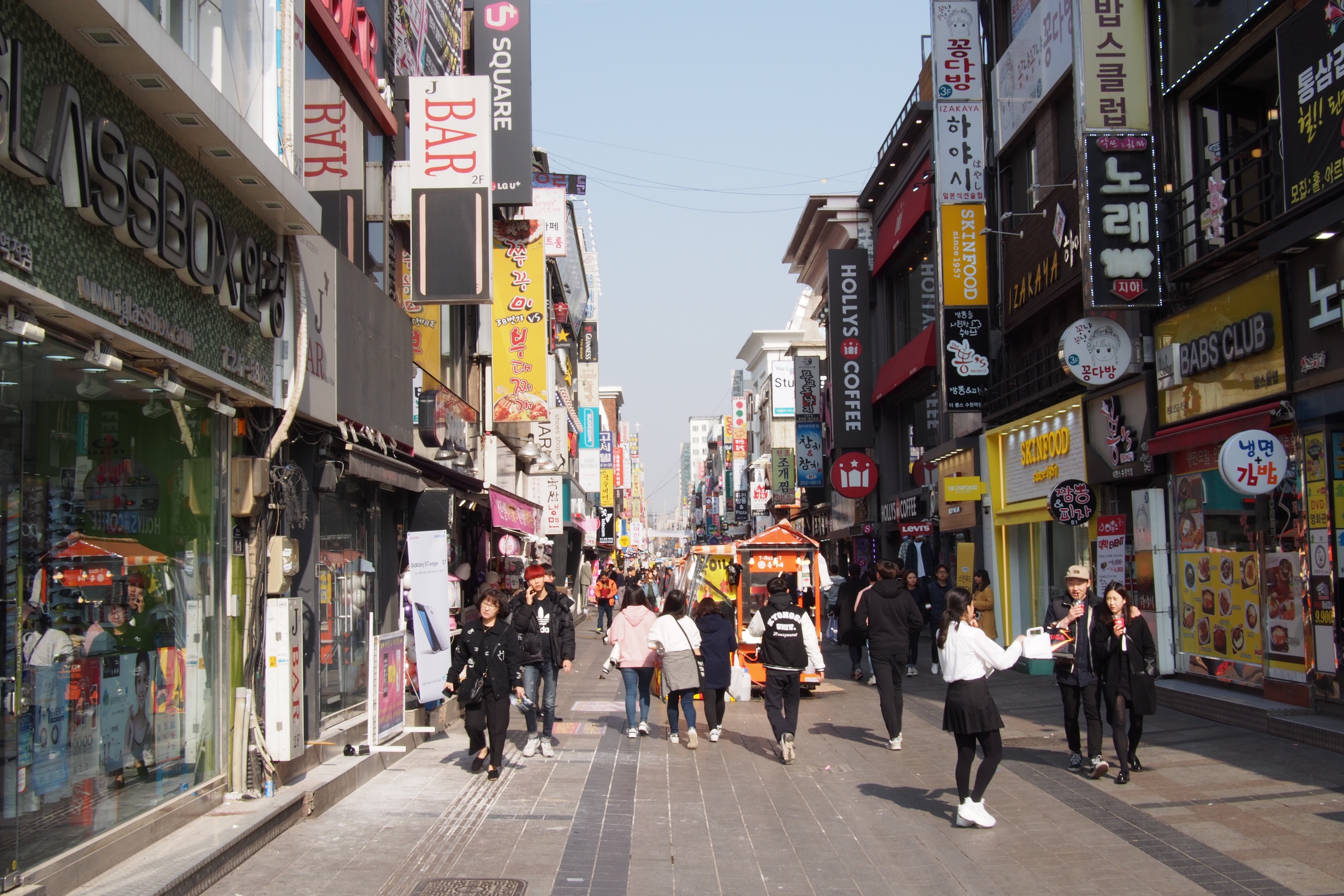
After rounding out the northern section of Hwaseong Fortress, it was time for me to head back to Seoul.
So I hopped on a #39 bus nearby back to Suwon Station. It costs the same price as getting to Paldamun Gate, just 1300KRW.
While on the train and taking advantage of the free Wi-Fi. I saw that I missed out on a lot of sights and attractions in Suwon.
However, I vowed that once I returned to Suwon. I was going to visit those locations.
Things to do in Suwon Next Time I’m There:
- Haeujae & Toilet Park – This museum has a bunch of funky toilet bowls. How cool is that?
- Paldalmun Rodeo Street – I’m not a shopper. But if it’s the same as Hongdae Street in Seoul, I’m going there!
- Suwon Fried Chicken Street – Need I say more? (Update: Check out my latest blog about my experience at a Suwon fried chicken restaurant.)
- Byeokhwa Street – This neighborhood has more wall art murals on residential homes.
- Korean Folk Village – Part theme park, part museum. Sounds like a good place to learn something.
- The Royal Tombs – Have to pay respect to the great kings of Korea.
I would love to explore more of Suwon city for a day trip. It’s so close to Seoul. So why not?
For me, it is a lot of fun walking around the different neighborhoods and just checking out local life.

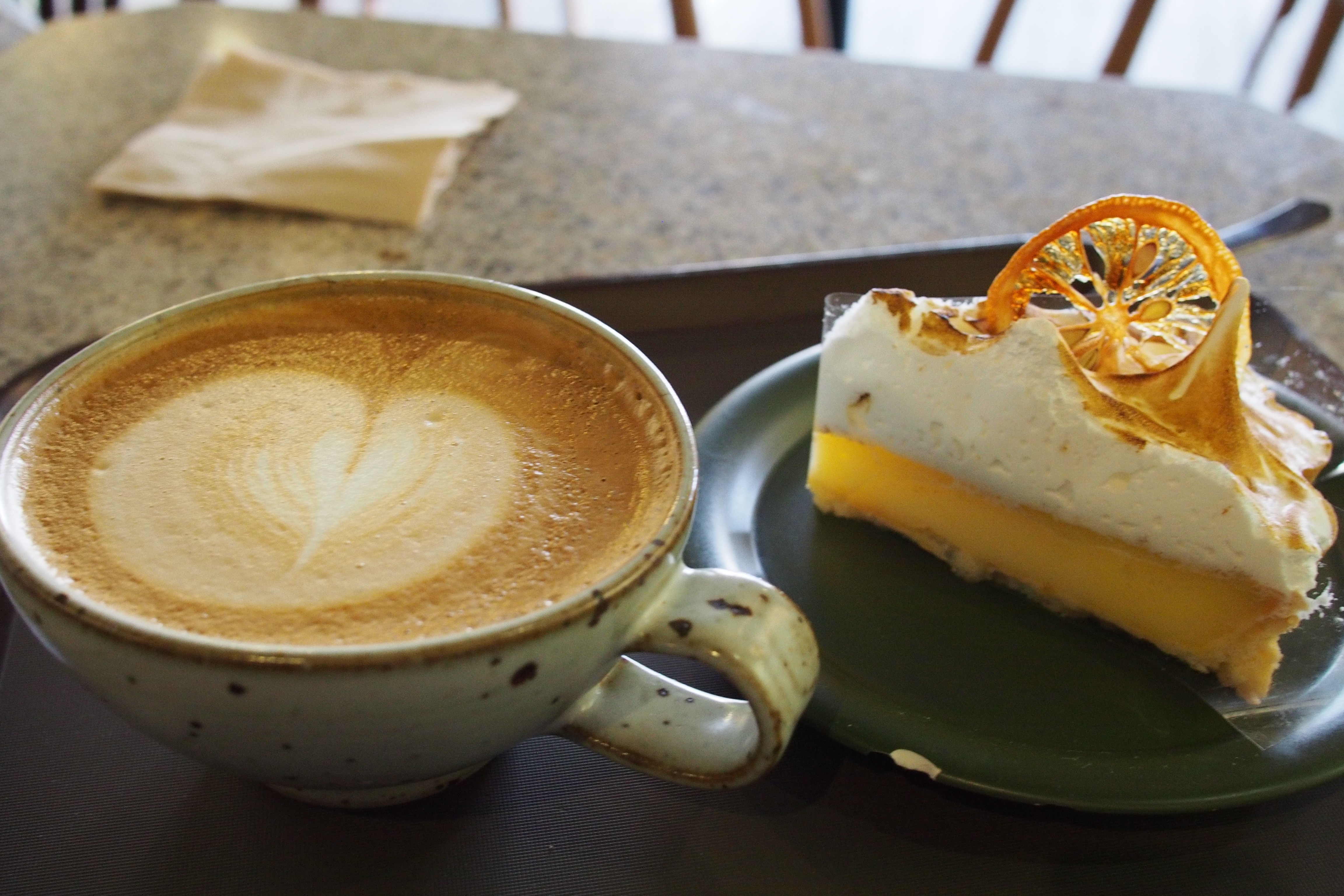
Final Thoughts on Suwon City (while back in Seoul with a Latté and Lemon Meringue Pie)
After a full day of exploring the wonderful city of Suwon, I went back to my favorite café near Insadong in Seoul, Anguk (안국) 153 Bakery, to reflect on my day trip to Suwon.
And I concluded that one day is not enough to explore that wonderful city. I would need at least 2 to 3 days. So I’m looking forward to going back.
Also, one thing I noticed is that there were not a whole lot of tourists visiting when I was there. And I wondered why?
Suwon is such a wonderful city. Granted, I went during late March, so it was chilly. But it got nice and sunny in the afternoon. To me, the weather wasn’t so bad.
But because of the winter, the grass was not green. And the ice had not melted. So Sowoncheon Stream was not as picturesque as it could be. It could be that I visited Hwaseong Fortress off-season.
Even then, Suwon is such a wonderful small city to visit. And if all you’ve got is a day, then that’s fine.
But if you truly want to enjoy your time and learn more about Suwon, you’d definitely need more than a day!


Leave a Reply